Where volunteers help
Animal shelters. The club helps at shelters for cats, dogs, hamsters, rats, and rabbits, as well as at stables. Its members arrange regular visits and do what is most needed at each place: for instance, at Keltsskie Angely (“Celtic Angels”) or Drug (“Friend”), volunteers help walk and socialize dogs. Getting human attention and exploring the world outside their cages helps animals adapt to life with their future owners.
“Socialization isn’t just a nice word. Shelters often invite us to spend some time with their dogs. Confined to cages, they lack sheer ‘human warmth’ and a couple hours of socialization feels like a breath of fresh air for them,” says Tatyana Dorofeeva, the head of ITMO’s volunteer club Paws of Help.
Cat shelters, such as Broshennyy Angel (“Abandoned Angel”), often need a hand with chores: all kinds of cleaning, including in cages and storage rooms, and taking out trash. There, volunteers work with our four-legged friends, too – they play with them and get them accustomed to the human touch. And when visiting the wildlife shelter Veles, they collect branches and other materials for enclosures to help the inhabitants survive the winter.
The equestrian club Solnechny Ostrov (“Sunny Island”). Here, students assist with the organization and coordination of events for children from correctional education institutions.
In December, volunteers helped the club to host pre-holiday activities: they gave a briefing for kids, introduced them to the horses, and explained how to treat the animals. The entertainment events were split into stations. Children completed them in small groups, while students coordinated the process: they held quizzes, showed how to groom a horse, organized games, and gave students riding lessons.
Festivals. Volunteers are frequent participants of city festivals; for instance, they serve as assistants and coordinators at agility competitions and cat and dog shows. Such events are organized to showcase the animals in need and thus attract potential adopters.

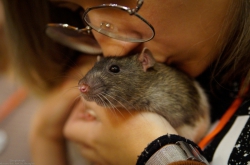
Photo by Dmitry Grigoryev / ITMO NEWS

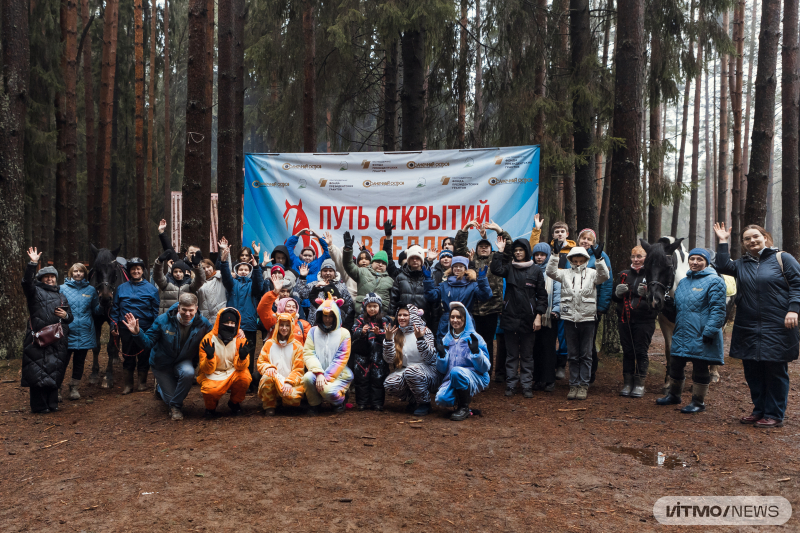
Photo by Dmitry Grigoryev / ITMO NEWS
How to join
Any ITMO student or employee can join the club. To do so, you need to follow the club’s VK and Telegram pages and sign up for events you want to take part in. Those who would like to be involved more actively may become a part of the club’s organizing team by filling out this application form. All who apply for the role of coordinators will have to pass a selection as they’ll be responsible for how well visits and other events go.
Visits to shelters usually take from four to five hours. Volunteers walk dogs, collar- and leash-train them, play with them, teach them simple commands, and take great photos to find their families faster. They also help clean cages, groom, feed, and water animals.
“In January 2026, we plan to recruit new coordinators, organizers, and assistants. Those who want to join our team should be ready to shoulder a great responsibility for holding events and not be afraid of difficulties. On average, coordinators take on several visits a month and are free to pick dates that suit their schedule. Volunteers receive hours at the website Добро.ру and points they can use when applying for an enhanced stipend,” adds Tatyana Dorofeeva.

Photo by Dmitry Grigoryev / ITMO NEWS
How to help remotely
If you can’t visit shelters in-person but still want to help, you can participate in special events. For example, as part of the Лапки собирают (“Paws Collect”) event, volunteers collect food, medicines, diapers, and toys for abandoned animals – you can buy and bring them to the university or the coordinator who will then take all the donations to shelters. You can find a complete list of essential items on the club’s VK page and see the donation reports in their social media.
Another way is to take part in the online donation program on the website of the Murzik pet store, a partner of Paws of Help. There, you can select and purchase items for a shelter, and the store will deliver them to the place.
Volunteers can also help animals find new homes by doing reposts and messaging potential adopters, generating ideas and creating content for social media platforms, participating in fundraising, attracting partners, sponsors, bloggers, and media, and fostering animals. Another way to help is to buy crafts from artisans at charity fairs – all proceeds go towards shelters.
Numbers and projects
The volunteer club Paws of Help was founded in 2018 and held its first food collection event in 2019. The success of the event showed a demand for systematic help at the university, thus turning a one-off initiative into a lasting charity project.
The club has built up an extraordinary portfolio over seven years: volunteers collected and brought to shelters around 500 kg of food, 200 L of litter, and medicines. Thanks to charity festivals and initiatives, the club manages to raise up to 10-15,000 rubles for shelters after each event. Additionally, the club has recorded a seven-episode podcast Приютная обстановка (“Shelter Environment”) to promote volunteering and regularly holds workshops for school students.