Kostenki
-
Voronezh Oblast
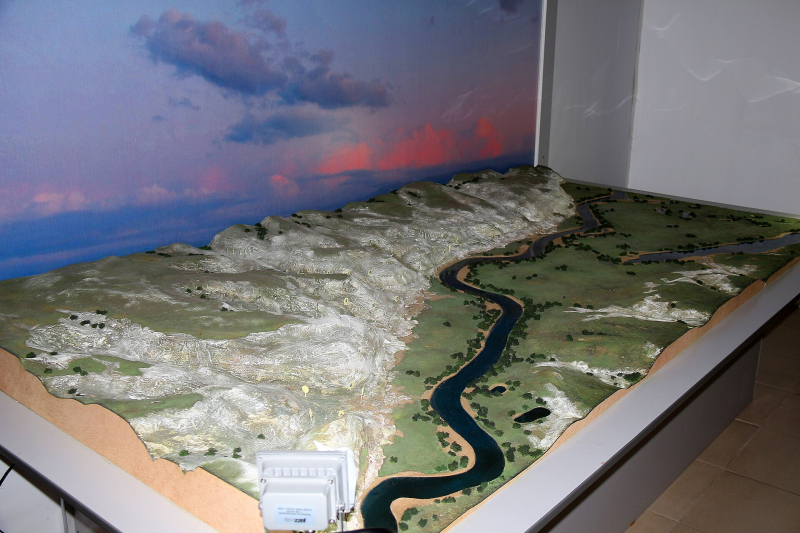
A model of the site. Credit: evatutin / Wikimedia Commons / CC BY-SA 3.0
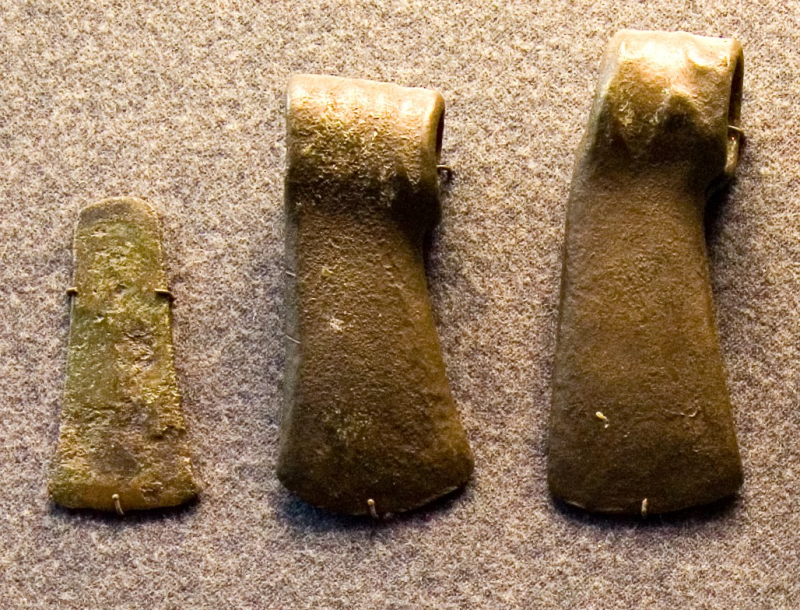
Objects found during excavations. Credit: EvgenyGenkin / Wikimedia Commons / CC BY 2.5
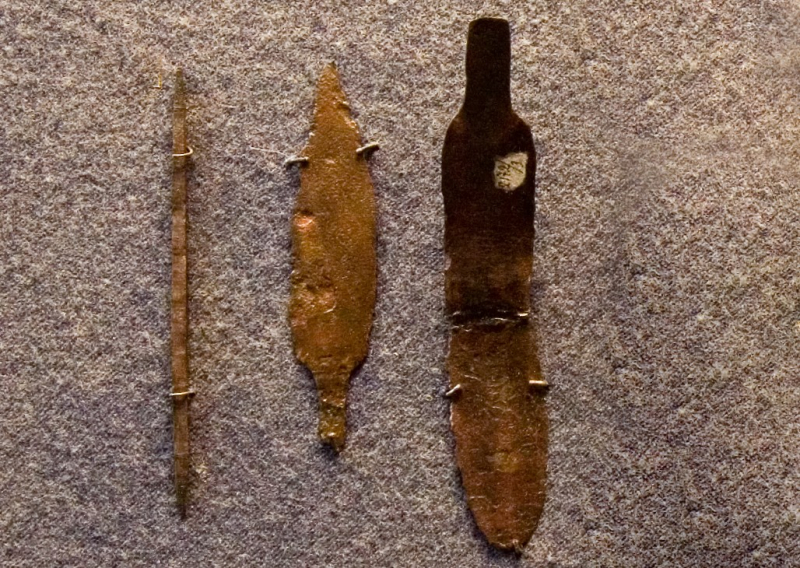
Objects found during excavations. Credit: EvgenyGenkin / Wikimedia Commons / CC BY 2.5
This area was known for elephant (mammoth) bones found there since the times of Peter the Great, hence its name (kost meaning “bone” in Russian). Archaeological research in the area began in the late 19th century and continued through to the early 2010s, with numerous Upper Paleolithic artefacts found there, including remains of early anatomically modern humans, mammoth bones, and venus figurines. There is actually not one, but many archeological sites found in the nearby areas, with remains dating to before 40,000 years ago. Importantly, human remains have been found there covered in volcanic ash from an eruption dating to 45,000 years ago, thus signifying that this location was inhabited even earlier.
Where to learn more about the site: Kostenki Museum-Reserve offers a permanent exhibition, as well as guided tours to excavation sites. At the museum, you can see some of the findings from the region and reconstructions of early humans that used to inhabit it.
Sungir
-
Vladimir oblast
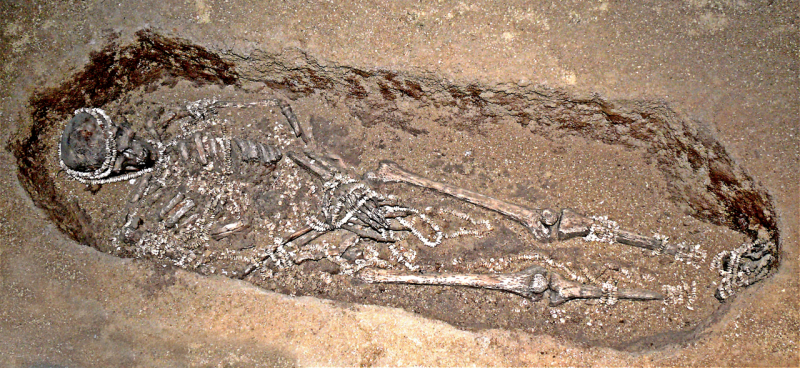
One of the complete skeletons found in Sungir. Credit: José-Manuel Benito Álvarez / Wikimedia Commons / Public domain
Discovered in 1955, this Upper Paleolithic site was studied by international teams for 30 years with over 70,000 archeological findings made and catalogued. This is the northernmost settlement of the Last Glacial Maximum – a glacier was then located mere kilometers away. The site is most known for the abundance of human-made artefacts – weapons, ornaments, and tools – found there, with an ornamental horse figurine known as the site’s symbol. Additionally, four burial sites were found in Sungir, several of those being complete skeletons, potentially ritually buried and of high standing, as they were found adorned with beaded jewelry, clothing and spears. This site is dated to around 30,000 BCE, being one of the earliest settlements of Homo Sapiens in Eurasia.
Where to learn more about the site: the entire collection of findings is stored and displayed at the Vladimir-Suzdal Museum-Reserve; you can also visit a virtual exhibition to explore the display remotely.
Shulgan-Tash Cave
-
Republic of Bashkortostan
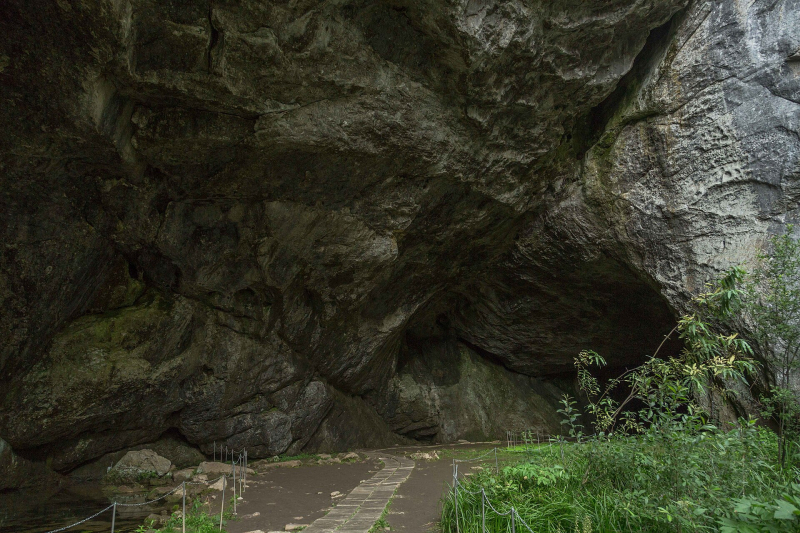
Shulgan-Tash Cave entrance. Credit: Marandela / Wikimedia Commons / CC BY-SA 4.0
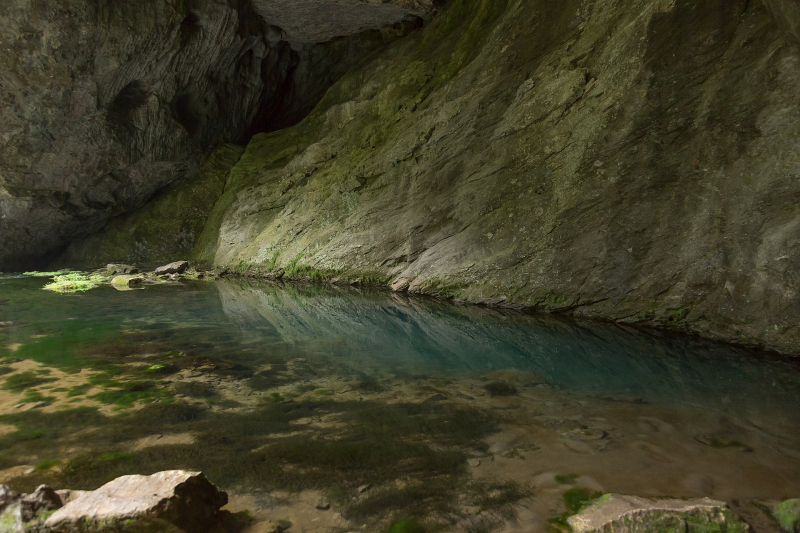
Shulgan-Tash Cave lake. Credit: Marandela / Wikimedia Commons / CC BY-SA 4.0
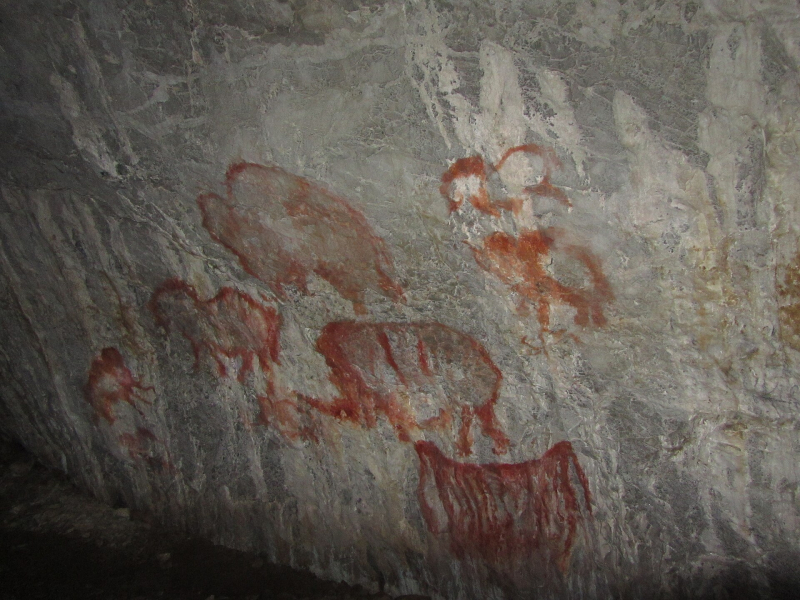
A spacious, multilevel cave with a river and lakes inside it, the Shulgan-Tash Cave would’ve been a dream travel destination even without more than 190 rock carvings and drawings made with red ochre that were created between 14,500 and 36,400 years ago. These tales from the past, however, make it a definite must-visit. Among the painted objects and animals are mammoths, horses, rhinoceroses, bison, and even a camel – the only such depiction known. Before the Shulgan-Tash Cave was discovered in 1959, it was believed that rock drawings were only to be found in Spain and France – therefore, its discovery made it an instant sensation and now a UNESCO World Heritage Site. There is only one site with drawings discovered north of Shulgan-Tash, that being the Ignatievskaya Cave in Chelyabinsk Oblast.
Where to learn more about the site: the Shulgan-Tash Museum-Reserve offers tours to the cave (including a virtual one), as well as opportunities to explore the nature surrounding it and learn more about Bashkir culture. There is also an option to rent a room at one of the museum’s guest houses.
Title image credit: SaganZ / Wikimedia Commons / CC BY-SA 4.0