Volga Delta
- Astrakhan Oblast
Credit: Ferdinando sacchetti / Wikimedia Commons / CC BY-SA 4.0
Credit: Lashkov17 / Wikimedia Commons / CC BY-SA 4.0
Credit: Ted.ns / Wikimedia Commons / CC BY-SA 4.0
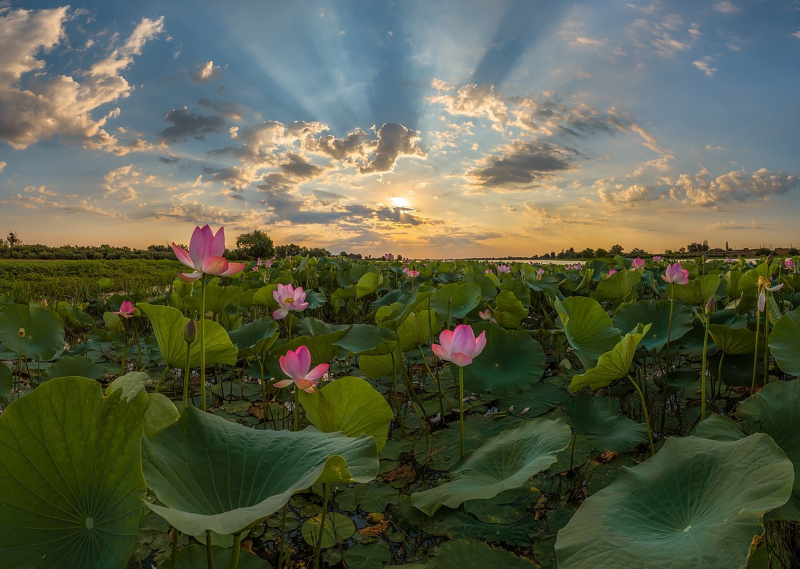
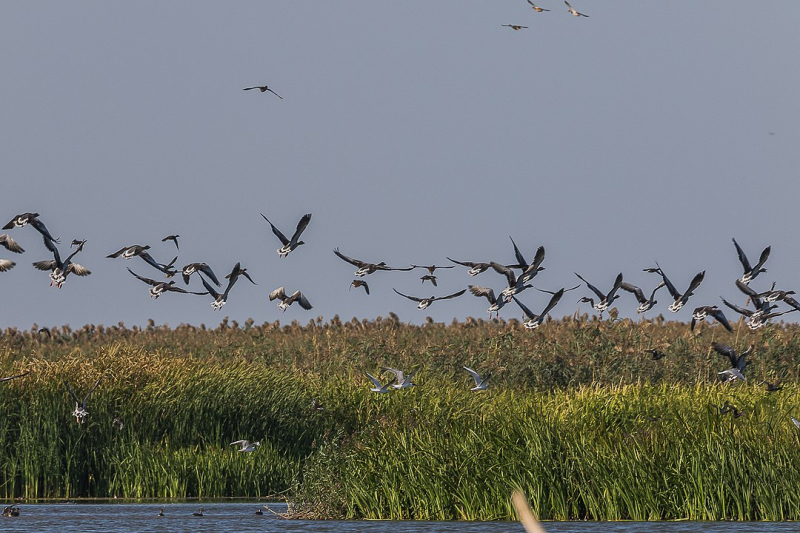
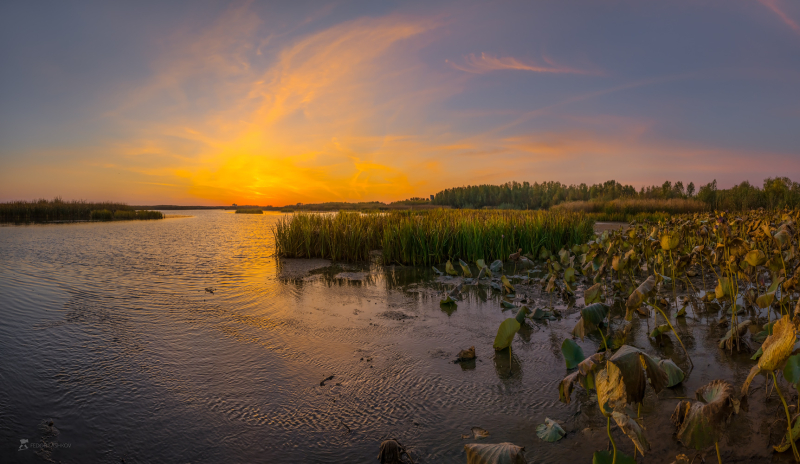
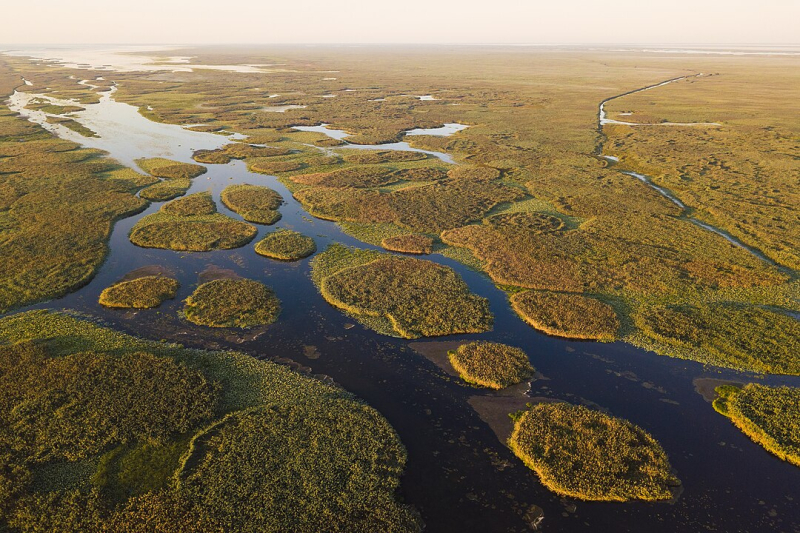
Lotus, cacti, pelicans, flamingos… Is it truly in Russia? Yes! Meet the flora and fauna of the Volga Delta, the largest river delta in Europe and the place where Volga flows into the Caspian Sea. Over 70 species of fish, most prominently sturgeons, and over 280 species of birds, many of which stop in the delta during their migration routes (which is how flamingos and pelicans get there) can be found in the area. All of them are studied and protected within the Astrakhan Nature Reserve.
As for the floral oddities mentioned, the cacti were first planted by researchers and found the steppe climate quite homely; the path of lotus to the delta is much more obscure – some believe it must have remained here since pre-Ice Age times, while others posit that the flower could have been brought by the Buddhist Kalmyks, for whom lotus holds spiritual significance.
Manpupuner rock formations
- Komi Republic
Credit: Aleksandr Chazov / Wikimedia Commons / CC BY-SA 4.0
Credit: Aleksandr Chazov / Wikimedia Commons / CC BY-SA 4.0
Credit: Ввкстар / Wikimedia Commons / CC BY-SA 4.0
Credit: Kasimys / Wikimedia Commons / CC BY-SA 4.0
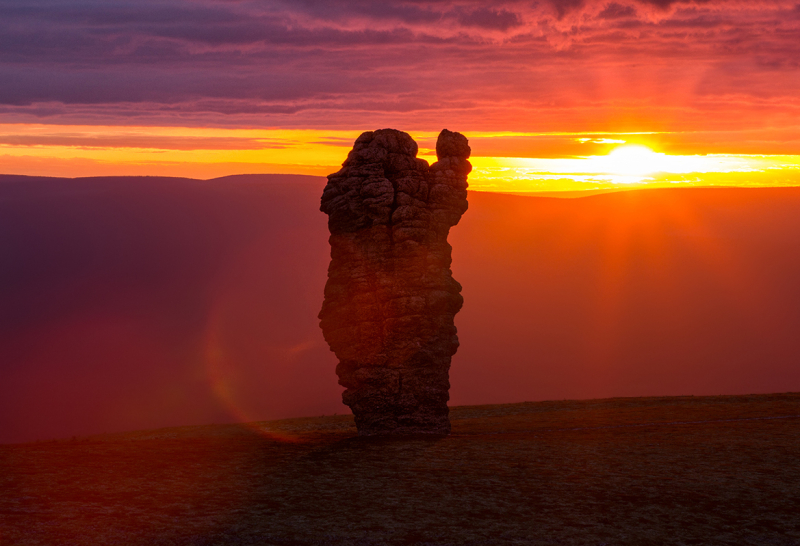
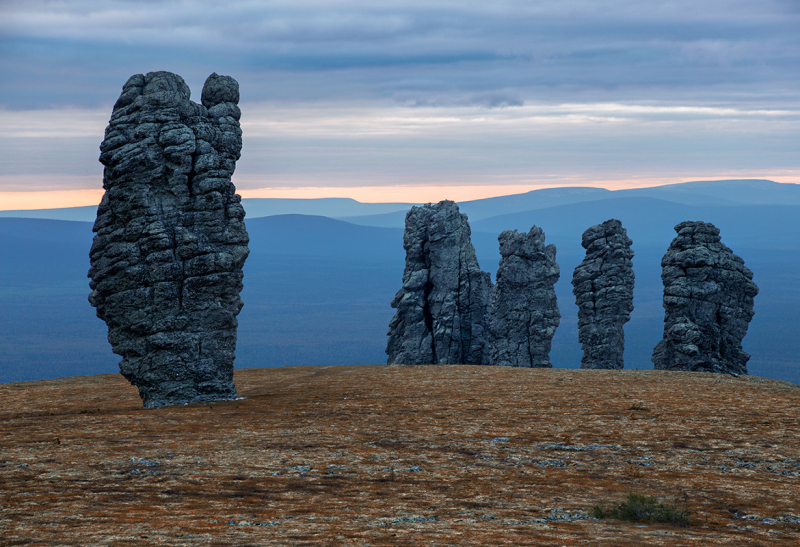
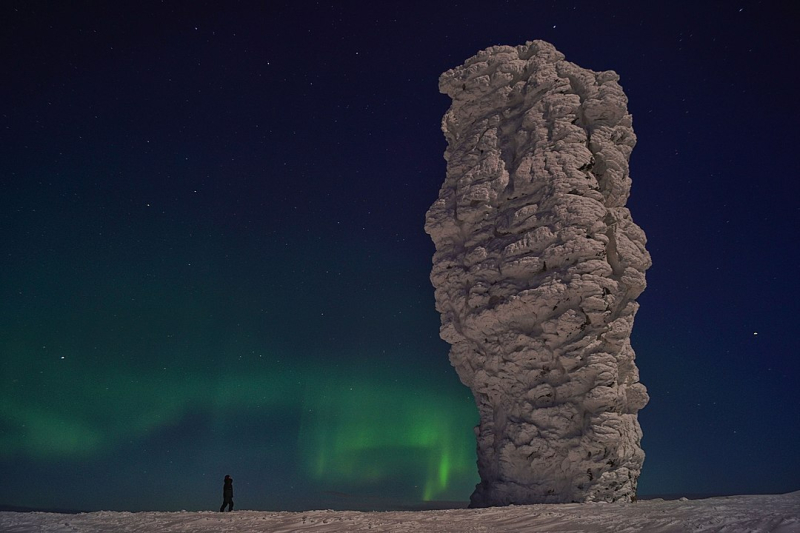
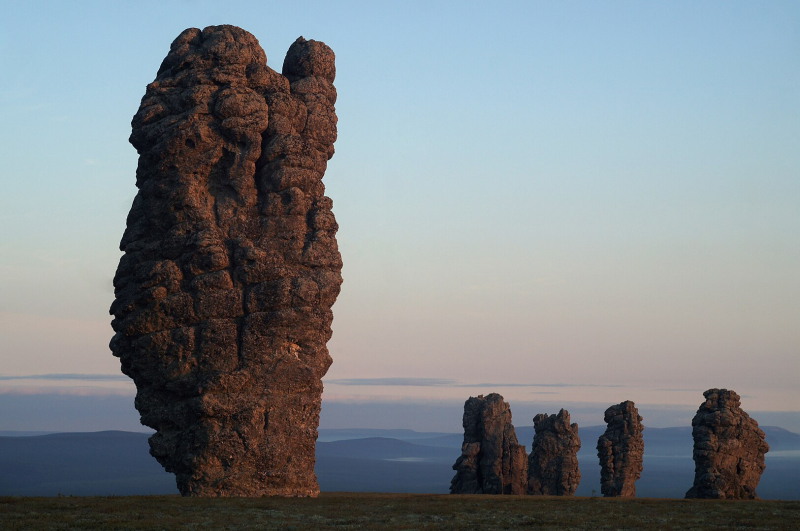
How did these seven massive stone pillars end up in the middle of a plateau? In local legends, the rocks are associated with the seven stars of Ursa Major, or a commotion involving a princess, a prince, and a giant; geologists theorize that these are the only remnants of a mountain range gradually destroyed by wind, rain, and other natural forces. Since they were named one of the Seven Wonders of Russia by popular vote, the Manpupuner rock formations have become rather popular with tourists – despite being quite challenging to reach. Popular hiking routes start from Sverdlovsk Oblast and Perm and take several days, as well as changes of transport; the location is also accessible by helicopter. Those who do manage to get to the plateau and witness the rock giants claim to experience preternatural calm.
Lake Baikal
- Irkutsk Oblast & Republic of Buryatia
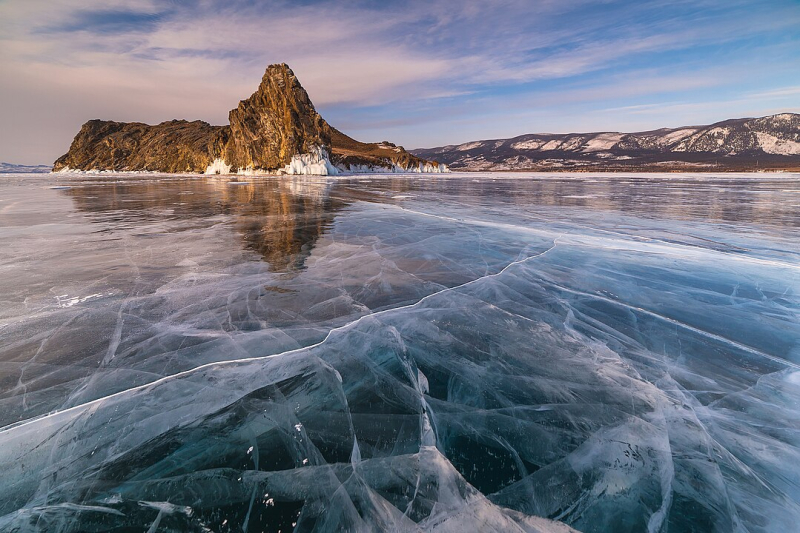
Ice over the lake. Credit: Ekaterina Vasyagina / Wikimedia Commons / CC BY-SA 4.0
Credit: Aydar Daminov / Wikimedia Commons / CC BY-SA 4.0
Credit: Екатерина Ващенко / Wikimedia Commons / CC BY-SA 4.0
Credit: Evgeny Ostroumov / Wikimedia Commons / CC BY-SA 4.0
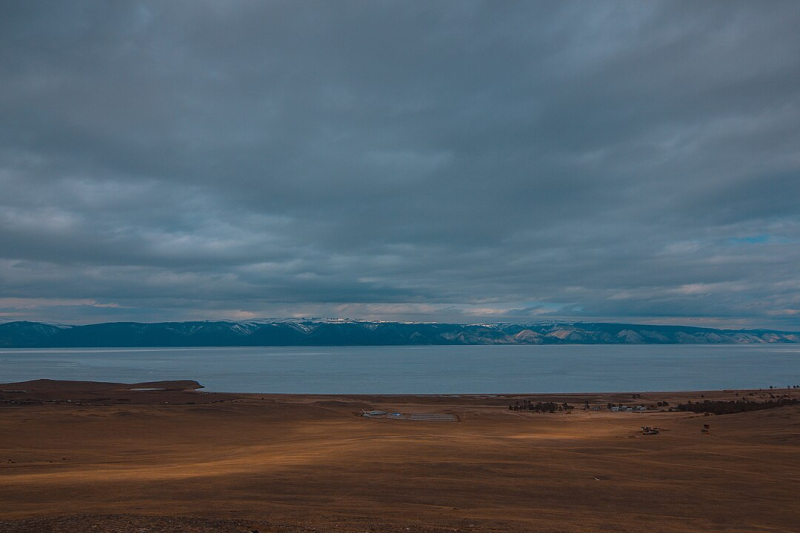
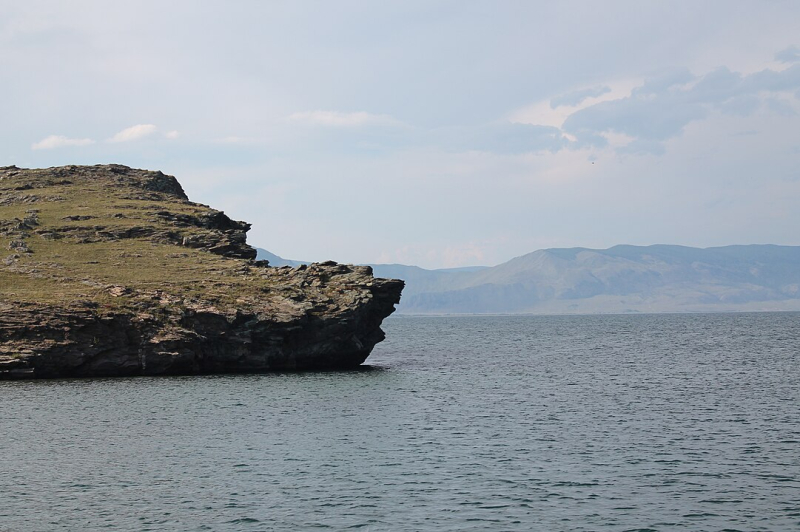
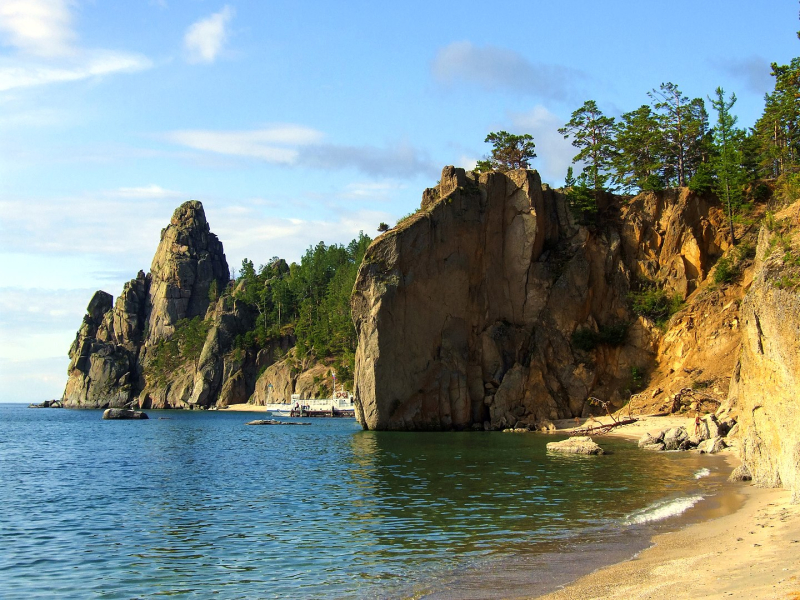
By far the most widely known on the list, this rift lake has collected many superlatives: deepest (1,642 m) and oldest (25-30 million years) in the world, second-largest in Eurasia, and world’s largest freshwater lake. As if that wasn’t enough to make Baikal noteworthy, it’s also home to some 2,000+ species of flora and fauna, nearly 70% of which are endemic to the area. Its unique ecosystem, including the tiny crustaceans Epischurella baikalensis, is responsible for the water’s famous clearness, which is most spectacularly demonstrated with pictures of the lake’s transparent wintertime ice, the “Baikal diamonds.”
All of the above, as well as the stunning mountain landscapes and the never-ending blue of the lake’s surface, makes the area one of the most coveted travel destinations in the country. Physics enthusiasts will also be familiar with the Baikal Deep Underwater Neutrino Telescope, which studies neutrinos created by cosmic rays interacting with the atmosphere.
Commander Islands
- Kamchatka Krai
Medny Island. Credit: SuricataJ / Wikimedia Commons / CC BY-SA 4.0
Nikolskoye settlement on Commander Islands. Credit: Eugene Kaspersky on flickr / CC BY-NC-SA 2.0
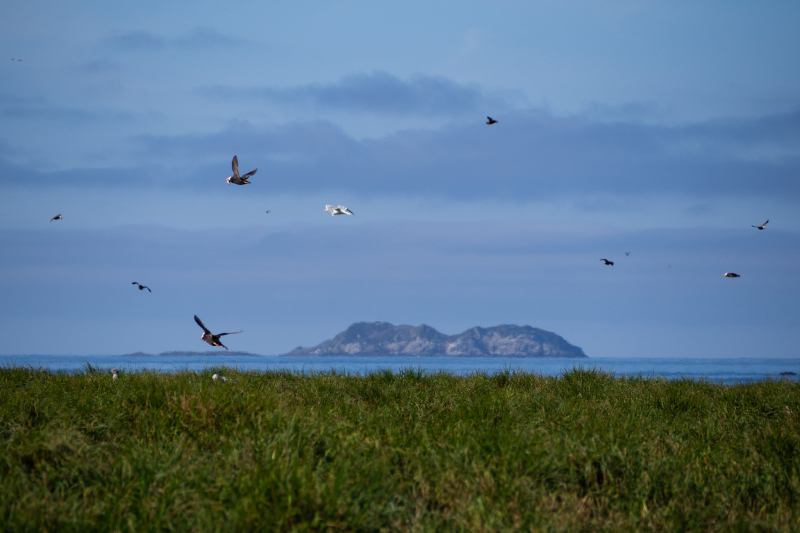
Toporkov (Puffin) Island. Credit: Dmitry Strakhov on flickr / CC BY-NC-SA 2.0
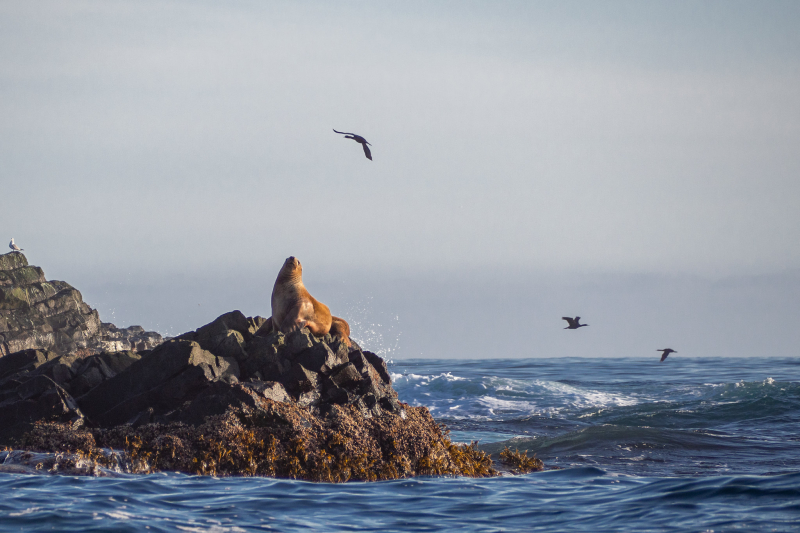
Northern sea lion. Credit: Dmitry Strakhov on flickr / CC BY-NC-SA 2.0
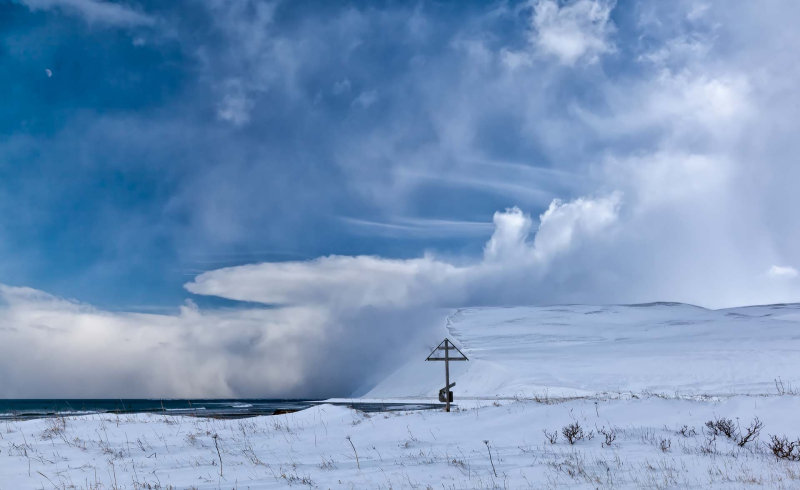
Vitus Bering's grave. Credit: Dmitry Utkin / Wikimedia Commons / CC BY-SA 4.0
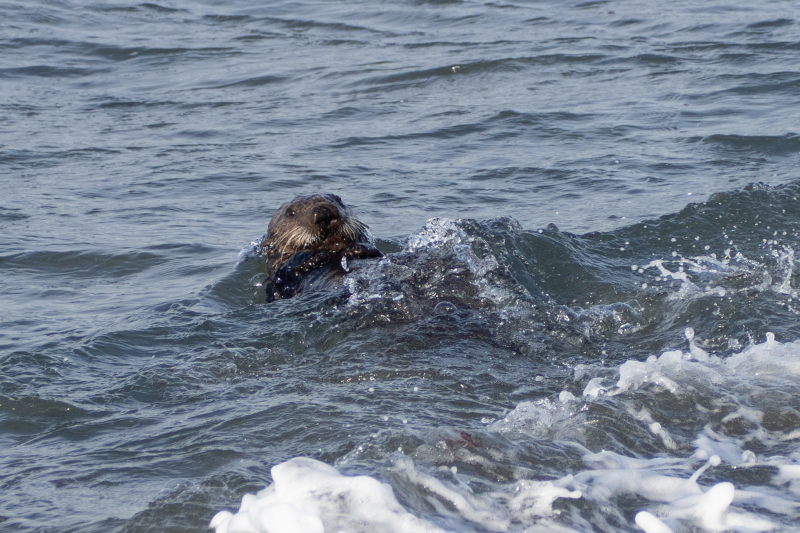
Sea otter. Credit: Dmitry Strakhov on flickr / CC BY-NC-SA 2.0
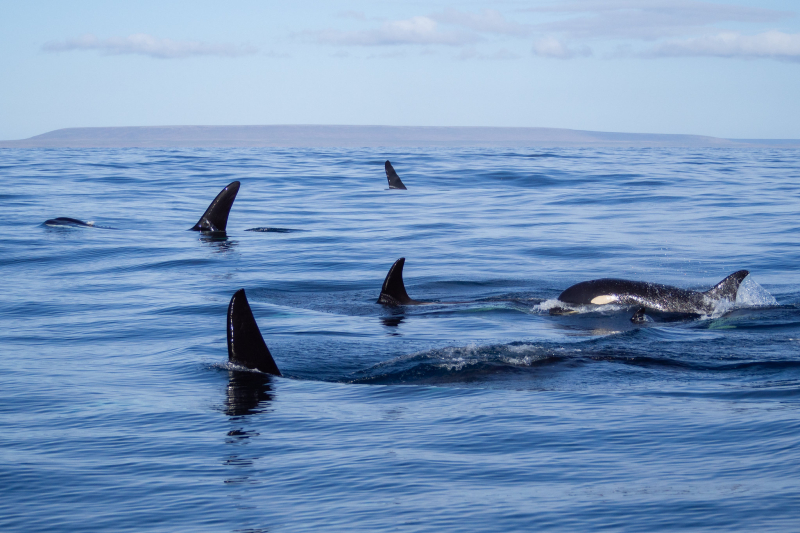
Orcas by the Commander Islands. Credit: Dmitry Strakhov on flickr / CC BY-NC-SA 2.0
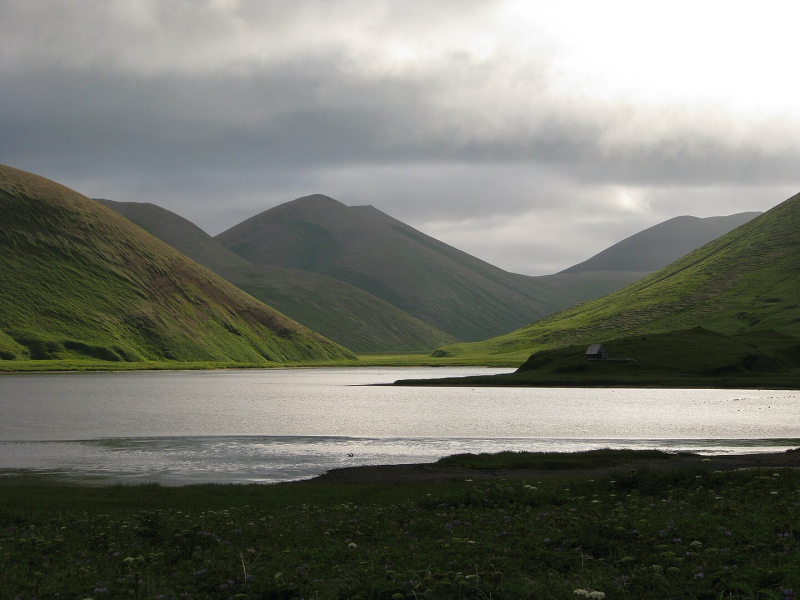
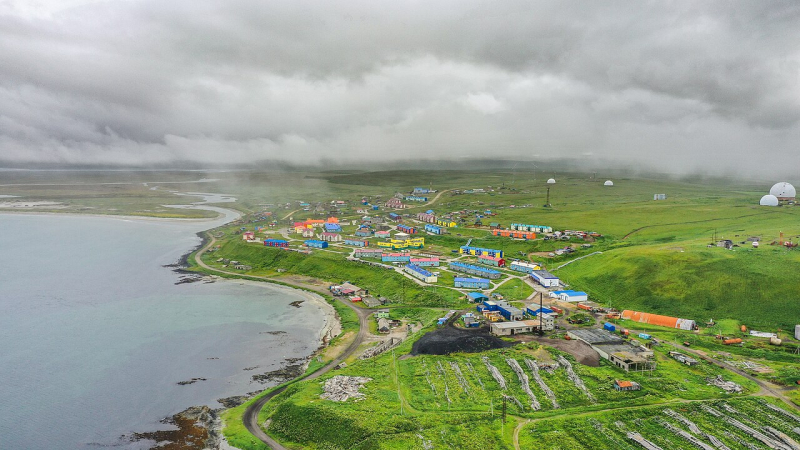
To the east of the Kamchatka Peninsula in the Bering Sea, there lies of group of islands discovered in the 18th century by Commander Vitus Bering, who gave the archipelago its name. Sparsely inhabited by people, the islands are pretty much a natural reserve – they are home to countless species of birds and sea mammals, including northern fur seals and Steller sea lions, who summer on the islands, as well as sea otters, larga seals, and many whale species. There is only one endemic species of terrestrial mammals, a subspecies of the Arctic fox; other species, like reindeer and rats, were introduced by man.
Commander Islands are also an Important Bird Area because of the many endangered avian species residing here, including the puffins, who even have a smaller islet named after them. The winds and marine climate gave the islands their forest-less, moss-dominated landscape, with surreal-looking green hills towering over the water. Though reaching this literal edge of the Earth is not a task for the faint of heart, it is certain to be an unforgettable experience.
Find even more exciting destinations with our tag Travel Russia.
Title image credit: Lashkov17 / Wikimedia Commons / CC BY-SA 4.0