How to get there
Sestroretsk is located about an hour away from St. Petersburg. You can take a suburban train from the Finlyandsky Railway Station to the Sestroresk or the nearby Kurort and Tarkhovka stations (depending on your route, which we’ll cover later). Alternatively, you can hop on buses 211 or 211Э, which depart from the Chyornaya Rechka metro station (both also stop at Begovaya metro station), or bus 600 directly from Begovaya.
Things to see
If you hop off at the Sestroretsk station, you’ll get to explore the town itself. Its urban landscape is formed mostly by 70-80s apartment blocks, yet several historic landmarks date back to the town’s foundation in 1714.
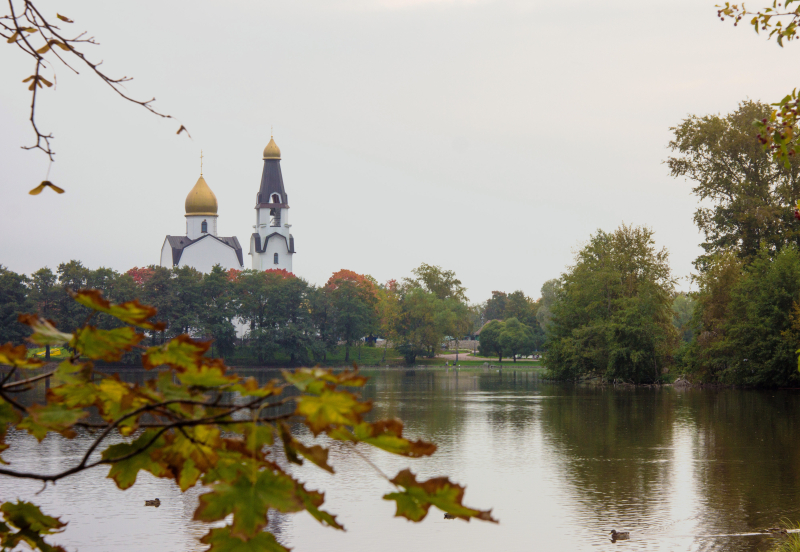
The new Peter and Paul Cathedral, built on the site of the original wooden church from 1722, commemorates Russian submariners. It was here that during the reign of Peter the Great, the very first prototype of a submarine – the Unseen Vessel by Efim Nikonov – was tested. A replica of this unique invention now stands in the cathedral’s courtyard. Not far away, you’ll find an arms factory. Its red-brick buildings are abandoned today, but for almost 300 years, the plant was the city’s industrial heart.
Mostly, it's nature that attracts visitors here all year round. Dubki Park, named after the 2,000 oak trees planted by order of Peter the Great, is a local symbol. These centuries-old trees even appear on the town’s flag. In the park, you can take a stroll to the Gulf of Finland, rent a bike, or go boating. In autumn, it is especially magical, with the oaks colored gold and crimson.
Credit: Aleksandrovy AG, CC BY-SA 4.0, via Wikimedia Commons
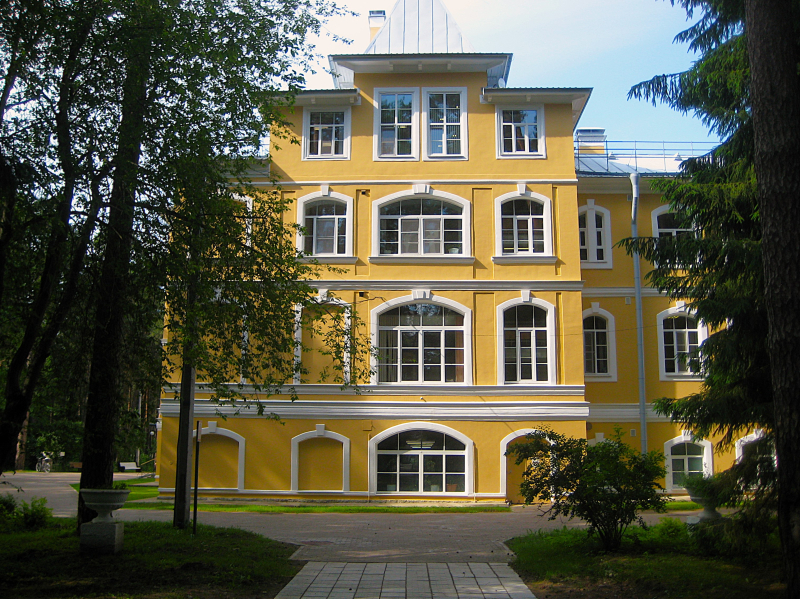
If you take a train to the Kurort station, you’ll discover another side of Sestroretsk, home to a prestigious resort. As soon as you leave the station, you’ll see the gates of the Sestroretsk sanatorium (learn more about Russian sanatorium culture here), first opened in 1900. For both pre-revolutionary elites and, later, Soviet citizens, it was a highly regarded health retreat. Its large grounds are open to visitors, providing another scenic route to the Gulf of Finland. The main building is currently closed for reconstruction, but the treatment center still operates. So, to boost your immune system, you can partake in wellness and spa programs based on the area’s mineral waters and therapeutic mud.
The area around the station is also known for its historic wooden dachas. Only about 30 remain, but they are beautiful examples of early 20th-century architecture. Still, a walk among the surviving dachas offers a glimpse into the lives of the town’s early residents: lawyers, doctors, and merchants who spent their summers here.
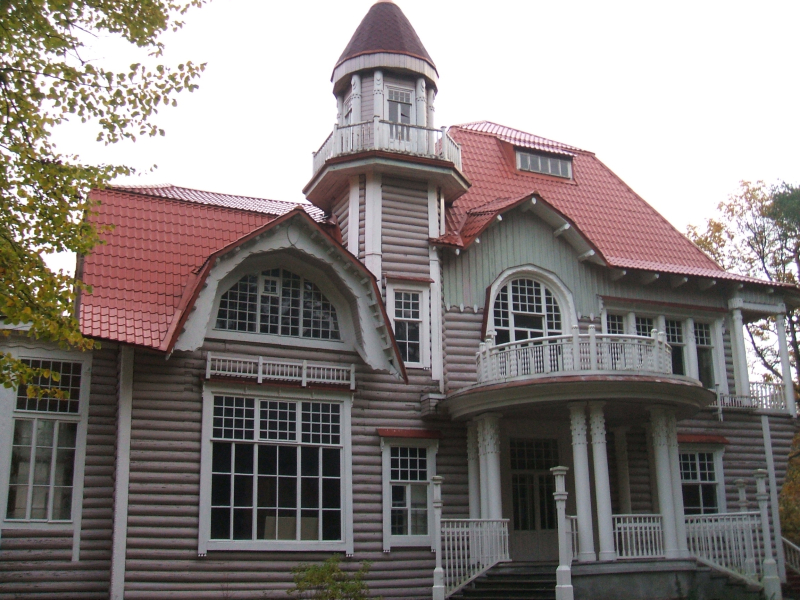
Credit: Pyotr Ivanov, Public domain, via Wikimedia Commons
Nearby lies the Sestroretsk Line, which was meant to defend the former Soviet border in the Winter War. In 1941, as the Finnish army reached the old Soviet-Finnish border, the fortifications saw real combat. Today, you can see preserved anti-tank obstacles and armored pillboxes on open-air display.
Getting off at Tarkhovka station will bring you to an unusual landmark – a hovel where Vladimir Lenin hid in July 1917. Disguised as a Finnish peasant, he stayed here briefly before fleeing to Finland, only to return later for the October Revolution. The hut you see today is a reconstruction, but there’s also a small museum nearby where you can learn the full story and even take a guided tour.
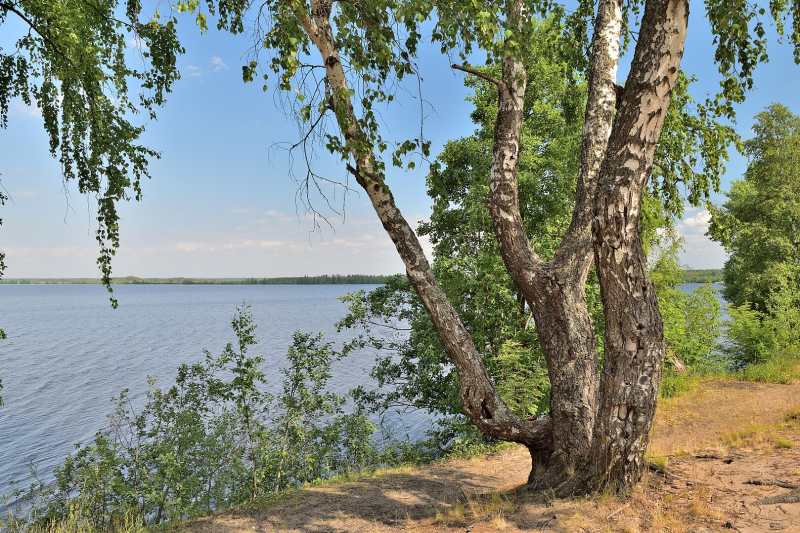
Credit: Alexander Baidukov, CC BY-SA 4.0, via Wikimedia Commons
Not far away are the scenic views of the Sestroretsk Spill, a reservoir created 300 years ago to power Peter the Great’s arms factory before the city’s electrification. Today, it’s a popular leisure spot with sandy beaches and walking paths. Locals say it’s sometimes less windy here than on the Gulf’s coast, making it a cozy alternative for summer relaxation.