Documents
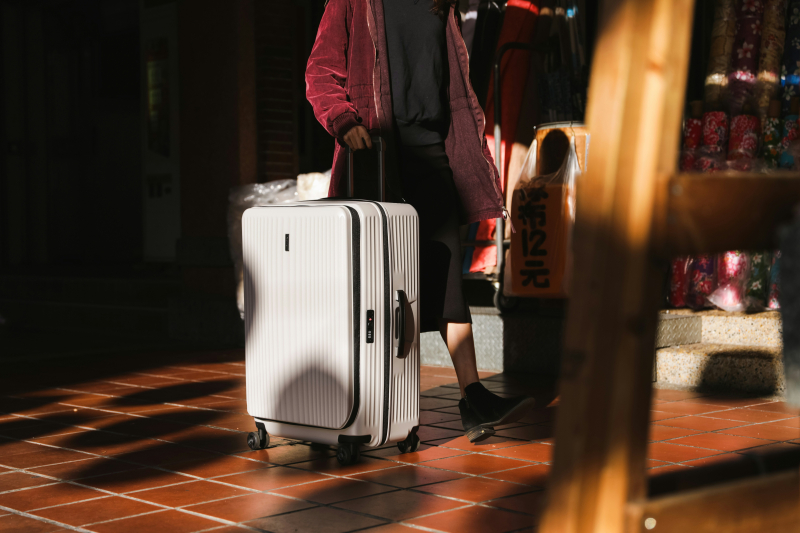
Make sure to pack all essential travel documents and their notarized Russian translations, as well as your insurance. If you’re unsure what documents are compulsory for you, reach out to the International Students Learning and Support Center or Migration Services Office. It’s also wise to make copies – store one digitally in your email and keep another printed (for easy access).
Additionally, Ramin Jalalpoor from Afghanistan recommends bringing extra passport-sized photos. They’ll save you time and prevent the hassle of bad photos when applying for documents in Russia.
Devices and services
More than books, for studies you’ll need your devices – a laptop or tablet along with chargers. Russia uses Type C and F sockets, so if your plugs differ, make sure to pack an adapter. If you don’t bring a laptop, for starters, you can use ITMO.SHARE, a free rental service that allows students and staff to borrow laptops or tablets for 1-4 hours a day.
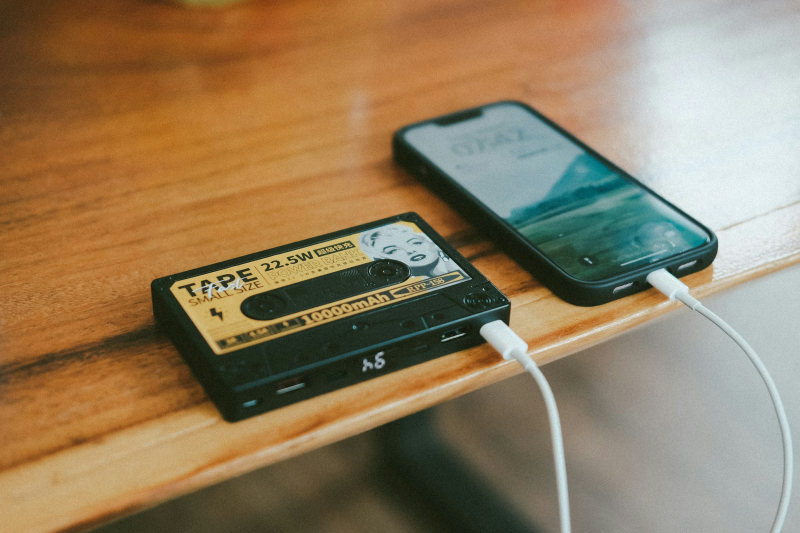
You will definitely travel with your smartphone, so make sure it will always prove helpful. Download offline maps and an offline translator before your trip. Since getting a SIM card in Russia as an international student can take a couple of weeks, it’s worth checking roaming options or seeing if your phone supports eSIM. And don’t forget a fully charged power bank to stay in touch during your long trip to St. Petersburg.
Credit: Taan Huyn (@taanhuyn) via Unsplash
Clothes
For sure, you’ve heard it several times, but we’ll say it again – warm clothes are a must for your trip to Russia. Good news: there’s no need to pack bulky overcoats and mittens from home. Winter gear is easy to find here, and often what you bring from abroad won’t stand up to the local cold anyway. While you still have time to prepare for colder weather, check out our guide on essential winter items and layers.
Yet, you must come prepared for fall. Warm and mild September quickly turns into windy and rainy November, with temperatures dropping to around -2 C. Sinem Aygün from Turkey suggests starting with waterproof clothes and thermals:
“They're an absolute must. St. Petersburg weather can be unpredictable, so having good layers, a sturdy coat, and shoes that can handle rain will save you a lot of trouble.”
For indoors, the basics include at least one formal outfit, a set of sportswear, and some comfy clothes for the dorm.
And here’s a fun tip: Ramin recommends bringing a traditional costume from your home country! There are plenty of multicultural events on campus, such as nationality nights by ITMO Buddy System or the ITMO Culture Fest. So if there’s some space in your suitcase, having your folk attire is a perfect way to stand out, share your culture, and shine.
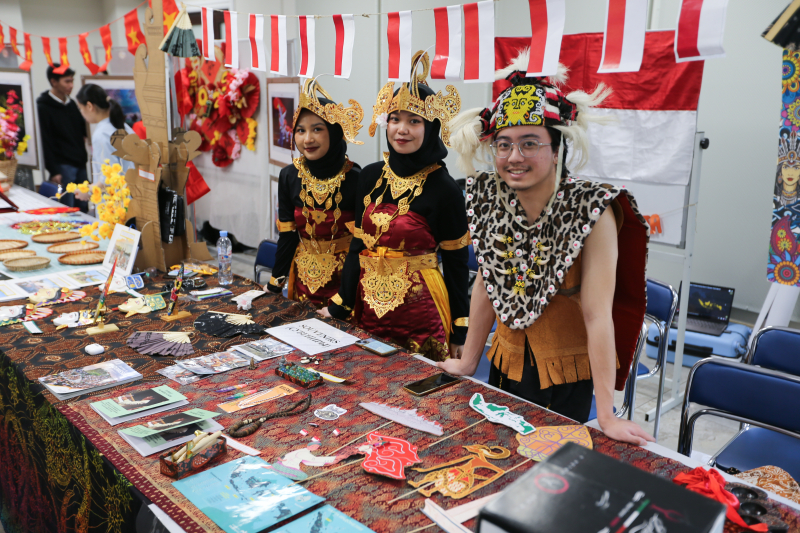
ITMO Culture Fest. Credit: ITMO Media Portal
Health and hygiene
At the very minimum, bring your toothbrush, toothpaste, and facial cleanser (you might need it already at the airport). If you wear contact lenses, make sure to stock up, including cleaning solutions.
Ridwan Muhammad from Nigeria advises bringing some of your medications: pack a basic first-aid kit and any prescription pills you rely on. While Russian pharmacies are well stocked, it can take time to figure out equivalents or brand names.
NB When packing your first-aid kit, check in advance if all your medications are allowed to be brought into Russia. Generally, restrictions apply to medicines that contain narcotic drugs, psychotropic substances, and potent or toxic substances. If you have prescription pills that fall under these categories, you will need to carry the prescription along with a notarized translation and be prepared to declare them at the border.
You can find the list of restricted substances here (in Russian); you can also read about the most common medications that are prohibited from being imported into Russia here (in Russian).
Feels like home
Ridwan points out that while food in Russia is affordable, it’s essential to bring spices from your home country. Other students wholeheartedly support this idea.
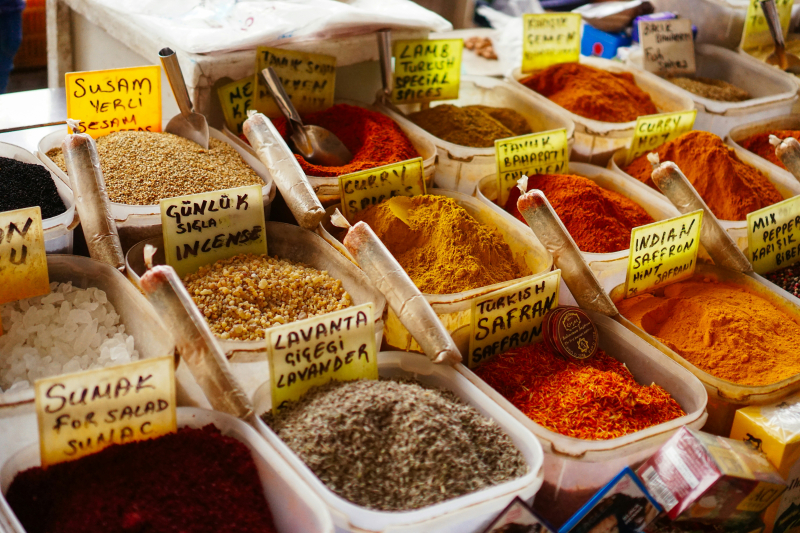
Credit: Tom Hermans (@tomhermans) via Unsplash
“We have almost everything in Russia, but certain snacks or spices would be a great start. I'm Turkish and even some Turkish stores in the city didn't have the snacks and spices I have been craving for…Well, not just for taste, but for those moments when you feel homesick and need a little reminder of home. Having familiar flavors makes adapting to a new country so much easier,” says Sinem.
"Your favorite spices and tea (for example, saffron) will also be very useful. They help you cook familiar food and feel closer to home," adds Ramin.
Discover more relocation tips for adjusting to life in Russia and St. Petersburg.