The exhibition combines the history of science, contemporary research, and art. It features eight routes centered on key milestones achieved by women in science: invisible waves and mathematical patterns, oil and underground treasures, microcosm, the human-animal boundaries, and climate data and space. Each room explores the theme on three levels: historical (each researcher’s scientific path), associative (research-inspired art objects), and modern (contemporary research).
Among the historical figures featured are physicist Alexandra Glagoleva-Arkadieva, mathematicians Sofya Kovalevskaya and Olga Ladyzhenskaya, chemist Julia Lermontova, geologist Natalia Kind, microbiologist Zinaida Yermolyeva, zoophyscologist Nadezhda Ladygina-Kohts, climatologist Evguenia Rubinstein, and astronomer Nina Subbotina. Contemporary science is represented by laureates of the Potanin Foundation Scholarship. The format is intended to illustrate the connection between different generations of scientists and their scientific approaches.
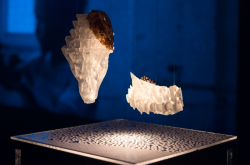
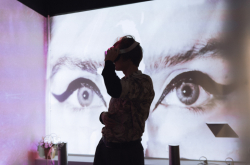
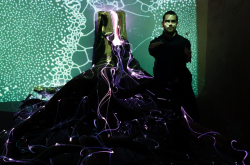
A separate section of the exhibition is dedicated to artworks that merge art, science, and technology. These include Electric Feeling by Sofia Osbanova and Kami Usu, Space Debris by the Stain studio, Lensaris by ITMO’s BioArt Lab, The Voice of Oil by Aleksandra Vorobieva, and The Stone That Lives on Memories by SPLACES.STUDIO. Many exhibits in this section are interactive: visitors can touch, listen to, and explore them.
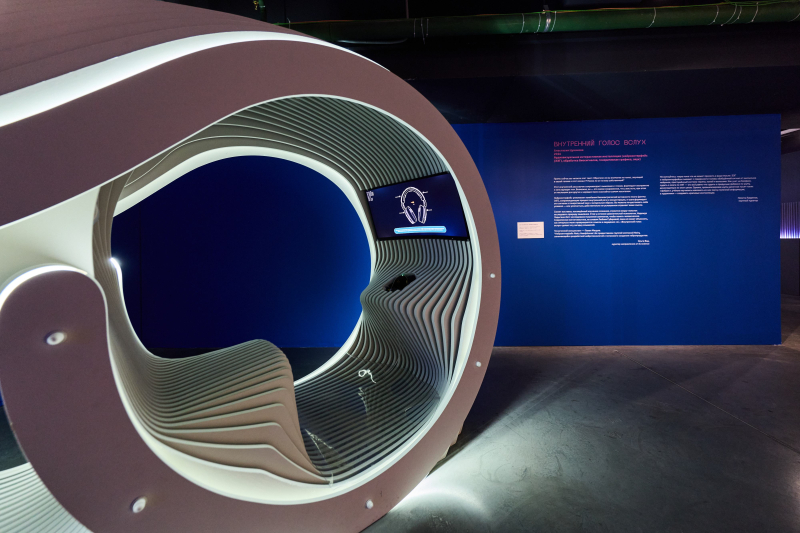
Women of Science. Science Without Permission. Credit: Tigra Films
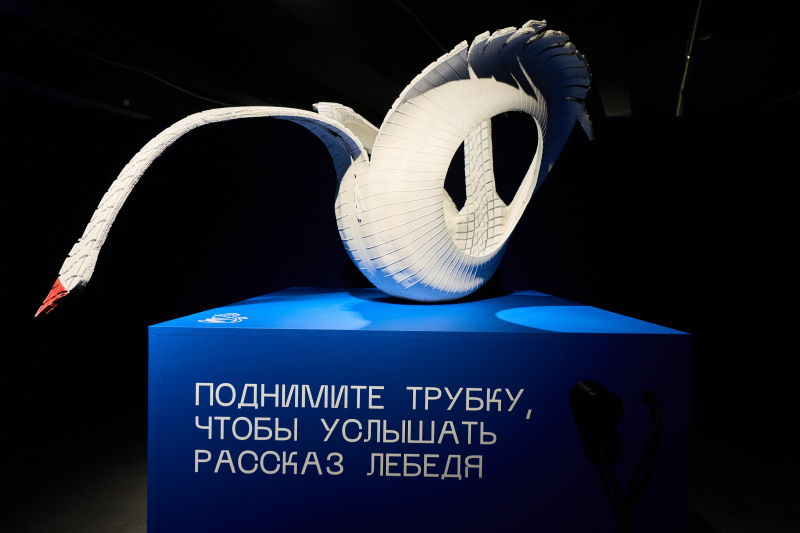
Women of Science. Science Without Permission. Credit: Tigra Films
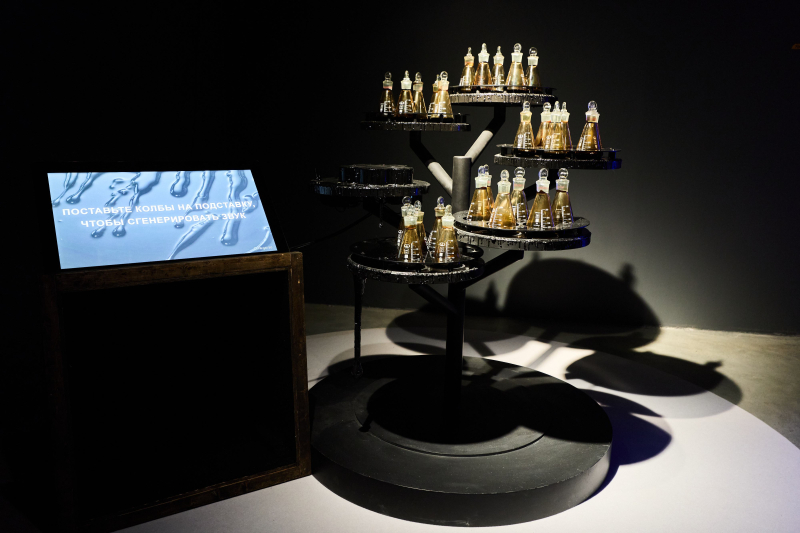
Women of Science. Science Without Permission. Credit: Tigra Films
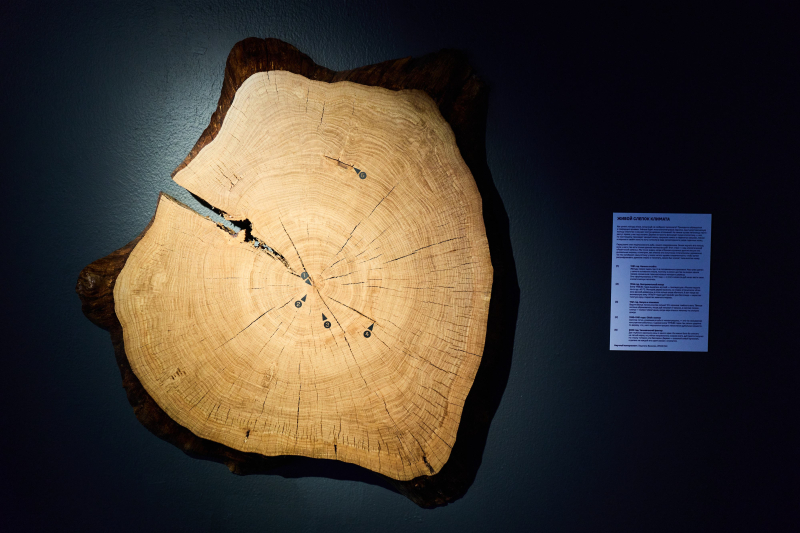
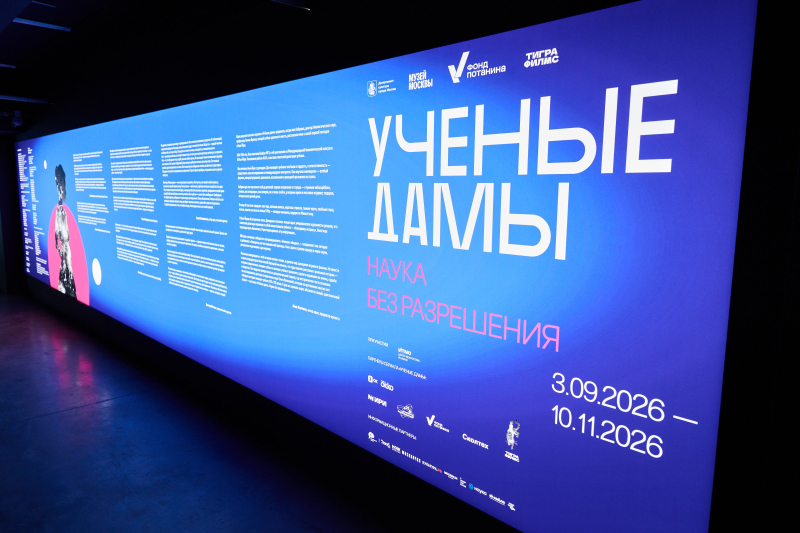
Women of Science. Science Without Permission. Credit: Tigra Films
“The history of science isn’t solely a collection of dates and breakthroughs; it’s also about the curiosity that pushes a person to keep looking when they don’t have answers. Scientists, much like artists, try, fail, and strive to give shape to a phenomenon that doesn’t have its own language yet. Each exhibit at the display continues the story of its heroines in the present day; at its core is the same curiosity that once led them to discoveries and now propels modern-day artists forward. Such projects have a historical layer to them: though they don’t tell about science, they let viewers feel what it’s like to be on the threshold of discovery,” explains Olga Vlad, the head of ITMO’s Art & Science Center.
The project also includes Women of Science, an animated documentary series that explores the lives and personal stories of female scientists. One of the series’ featured experts is Maria Zhukova, an associate professor at ITMO’s Research and Educational Center for Photonics and Optical IT, who appears in the episode dedicated to Alexandra Glagoleva-Arkadieva, the first world-renowned Russian female scientist. The series is now available on Okko.
The exhibition will run until November 10, 2026. See the museum schedule and purchase tickets here (in Russian).