
Bachelor's student in Computer Systems and Technologies
My Take on AI in the Classroom
Being an international student, there are times when I feel I'm experiencing two worlds at the same time. There is the traditional classroom: lectures, textbooks, professors challenging us to think critically. And then there is cyberspace, where AI answers in the form of ChatGPT, YandexGPT, DeepSeek, Gamma AI, Grok, Mathos AI, Luma, and Blackbox are instantaneously available at our fingertips, ready to answer in seconds. Every now and then, the cyber world feels faster, more accessible, and less messy than the real one. But the nagging question remains: are those tools really helping us learn — or just allowing us to graduate without skills?
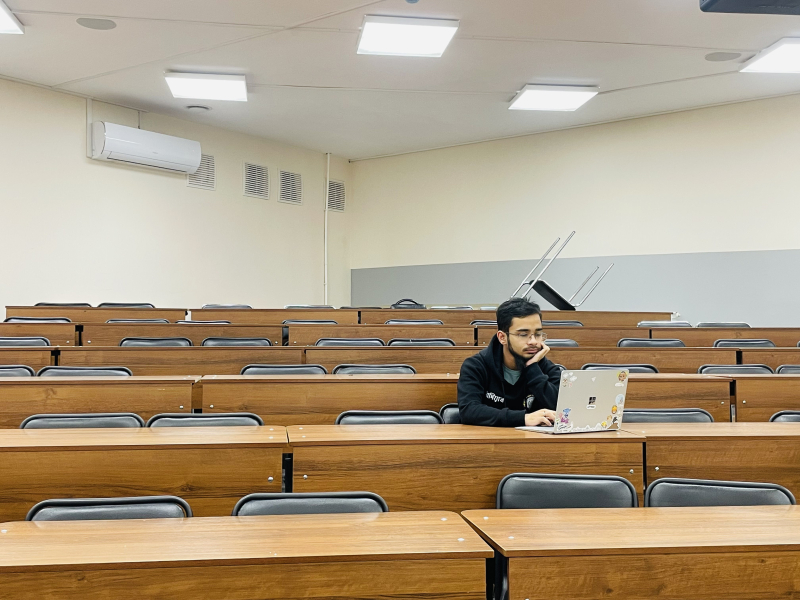
Why students love AI (including me)
I'll admit it: AI makes student life so much easier.
- English essays to write? ChatGPT smooths out my grammar, so I don't sound stilted;
- Coding assignments? Blackbox or DeepSeek catch bugs I'd never notice at 2 a.m;
- Speeches? Gamma AI cranks out pro slides before I've even had my noodles;
- Higher math? Mathos AI walks me through it step-by-step, like a kind tutor;
- Creativity? Luma and Gork help me make that "wow" factor happen in projects.
And as an international student, AI helps me even more:
- Language support: tools like YandexGPT bridge the gap when my brain mixes two languages;
- Confidence booster: I can proofread my responses in Russian before I submit them;
- Level playing field: it's easier to keep up with friends who learned English from a young age.
So yeah, I get it. AI really does make me feel superhuman sometimes.
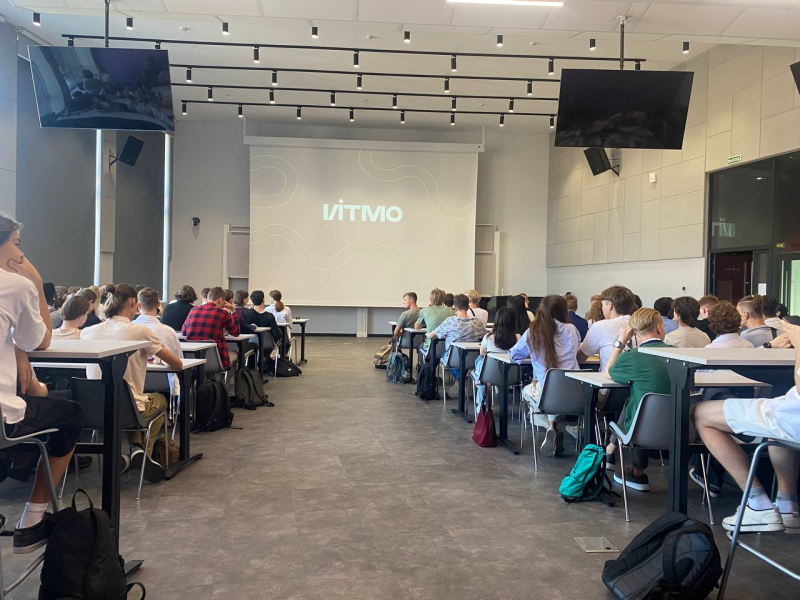
The hidden drawbacks
But here's the uncomfortable reality: ease comes at a cost.
Yeah, we may all graduate — but will we actually be proficient?
That's the scary part. If we have AI do the heavy lifting, then we lose muscle memory in learning. Imagine acing every assignment with the help of AI, only to find down the line that you can't solve problems on your own in life.
And it is not just speculation. Let me provide an example. Consider competitive programming. My university, ITMO University, is a seven-time ICPC World Programming Championship winner — a feat in itself. But recently this year, something strange happened: ChatGPT joined the competition space and solved 11 out of 12 problems. That is nearly unbeatable.
It makes you wonder: if AI is already on par with some of the world's best students, where are we? Are we still figuring out how to get things done in the future — or just racing against machines that are always going to be faster?
Teachers and universities aren't sure either
Professors are no different. Some teach us to use AI, calling it the "future of work." Others ban it, calling it cheating.
I've seen a trend, though: the wisest professors don't try to hide that AI exists. Rather, they have us justify how we employed it. An example is that a coding professor once allowed us to use Blackbox to try out our solution, but still asked us to write the logic out by hand. That way, we had to comprehend the process, not merely replicate the output.
Sincerely and in my opinion, this seems to be the right approach. Denying the existence of AI is pointless. But it completely replacing us? Much worse.
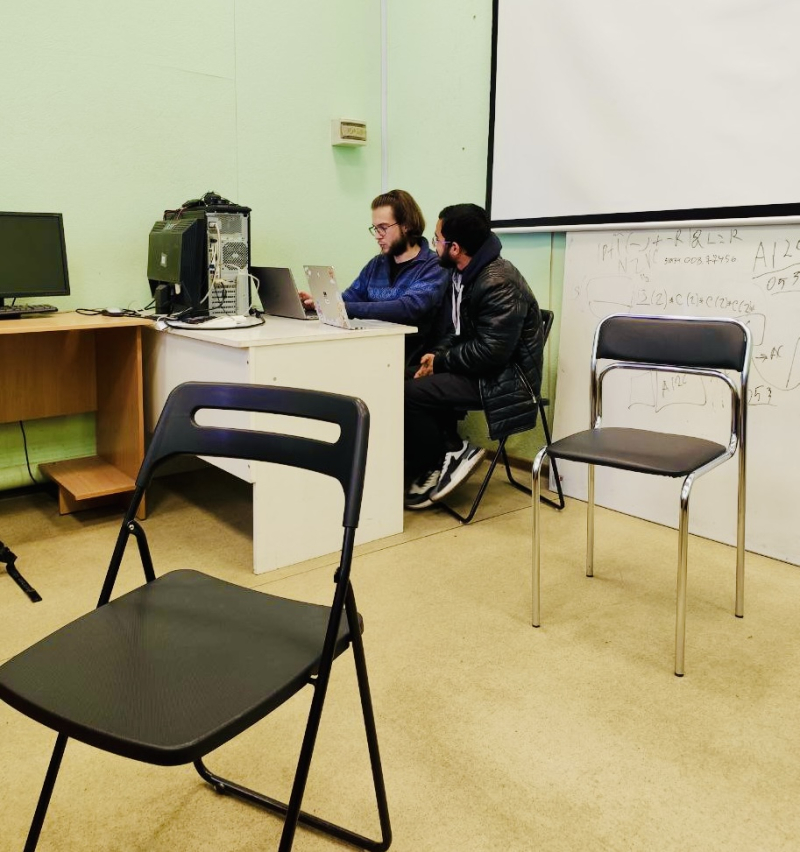
Finding the balance
How then do we strike a balance then? For me, the answer lies in using AI as a tool, not a crutch.
- I decided to use AI for directions, not solutions. For example, I would have DeepSeek explain coding logic to me, but then I type out the code myself.
- Mathos AI helps me verify my responses, but not till I've tried to produce a solution first.
- ChatGPT improves my grammar, but I pen the essay myself.
- Gamma AI makes slides faster, but I add my own style and points.
So, AI saves me time without stealing away my growth.
The international student spin
To foreign students, AI is a double-edged sword. On the one hand, it's a savior. It rescues us from language and cultural barriers, as well as from anxiety brought about by learning to maneuver in a new system. On the other hand, we tend to rely on it too much. Sometimes I feel nervous: am I actually improving my English, or just letting AI do everything for me? Am I a better coder, or just someone who's competent at phrasing the right question to Blackbox?
That's why AI has this slippery feel to it. It makes things easier in the short run but raises huge questions in the long run.
Conclusion: tool or trap?

AI in the classroom isn't good or bad. It's both. It's a tool that can accelerate learning, describe things better, and make it more accessible, but it can also make us lazy, dependent on it, and less skilled.
If today AI can already solve 11 out of 12 ICPC problems, just like world-class programmers, the question is: will tomorrow’s students like us understand how to solve even one problem without it? That's why I believe that the future belongs to students who learn to use AI smartly not as a replacement for thought, but as a study buddy.Ultimately, there isn't an AI tool that can replace the process of figuring out something difficult on your own. And that's the skill you must retain.