Theater Museum
I’m a regular museum-goer, but I’ve had a bit of a dry spell lately. Pretty much everything I went to as of recently seemed uninspiring. So, I decided to jazz my routine up with a new spot and a new exhibition. The choice fell on Pierre and the Sylphs at the Museum of Theatre and Music, and I didn’t choose wrong.
This is basically a brief chronicle of Pierre Lacotte (1932-2023), a French ballet dancer and choreographer most renowned for his revivals of the great ballets of the past, including La Sylphide. Though ballet isn’t really my forte, I truly enjoyed the display: I loved how it gets biographical facts down to a tee and offers a true interplay of colors and lighting, spaces and art mediums (photos, videos, belongings, etc.) – and does so in a very aesthetic way. As a nice bonus, especially for all the introverts out there, it’s a lesser-known location, so even an afternoon weekend visit won’t give you the much uncomfortable shoulder-to-shoulder experience. – Marina
Home gardening
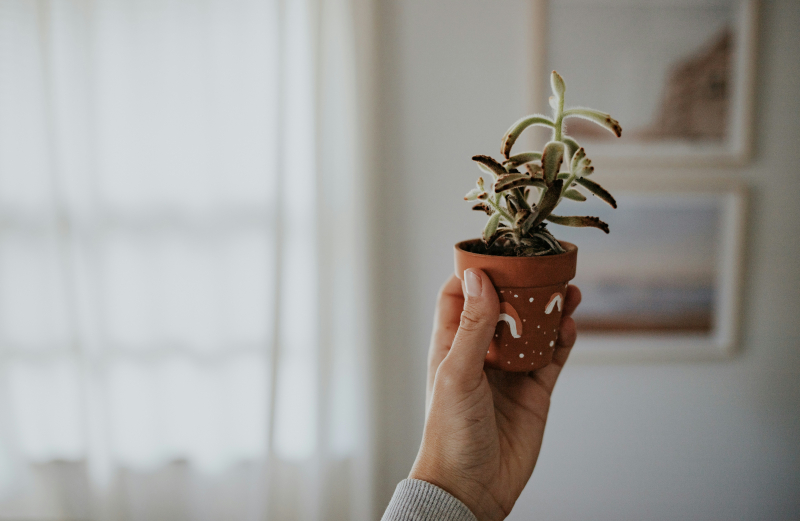
This March, my friends invited me over for a “ficus party.” The concept was that we get together to take care of their ficus plants which had grown so large they were about to leave their pots. We spent the evening trimming and repotting in six hands, and by the end of it I was rewarded with a bag of cuttings to take home for my personal garden. On my way back I couldn't help wondering at how fun and grounding messing in the soil turned out to be. I realized that while spring brings color to the outside, I could bring some of that indoors by refreshing my windowsills: ficus cuttings have started to grow roots. – Elizaveta
Data visualization course
ITMO is a well of all kinds of opportunities, one of which is university-wide optional courses – open to all, including staff and anyone interested. This semester, I joined the course on biological data analysis and visualization, but I am learning so much more than that!
Every week, we have two lectures (or rather a mix of a lecture and a practical class), one of which is dedicated to data storytelling and science art, while the other is more applied: there we learn how to work with data using the R programming language and some cool tools. It’s no exaggeration to say I am inspired every lecture – by a new tool we use (like Napkin AI), a curious scicomm project, or new understanding of data analysis approaches. If you want to make your next poster a masterpiece – both visually and in the way you talk about it – or you’ve been looking for some intro to science art / scicomm, I definitely recommend joining this course next semester! – Catherine