More and more Russian companies are adopting the AI-first model, in which AI is built into the workflow and becomes its operational core. Transitioning to this model requires restructuring the processes, structure, and logic of decision-making within the company, which means that the demand for AI specialists keeps growing. According to HH.ru, in 2023, the number of such vacancies grew by 80% compared to previous year, with the greatest number of positions available in IT, telecom, and finance.
The updated Master’s program Business Transformation Technologies and Strategies aims to train specialists capable of implementing the whole AI-first transition cycle – from diagnostics of the current workflow to full transformation.
“In the coming academic year, we will rely on practicing lecturers. Classes are held by team leads from Nexign, T-Bank, Sberbank, Avito, Wildberries, Yandex, VK, T1, and consulting companies that share their practical experience of AI implementation. Thanks to that, students are exposed to industry experience starting from their first day. Partner representatives also act as mentors, join exam committees, and offer internship opportunities,” shares Marina Kazantseva, the manager of the Master’s program.
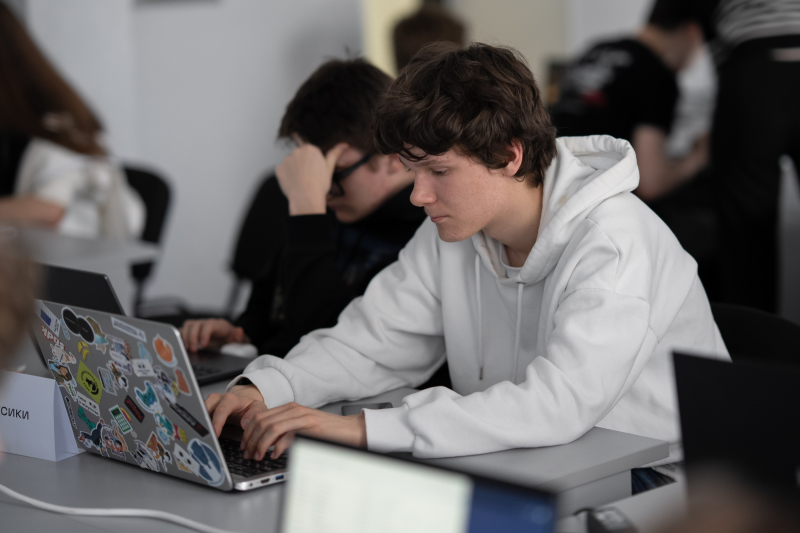
The curriculum is designed so that students master technologies and management simultaneously. Each semester, they take two to three courses in artificial intelligence: large language models, machine learning, and AI system design. In parallel, they attend management courses in digital transformation in complex environments, risk management, change management, and managing hybrid teams. Students also learn Python and how to write agents to automate processes. Special emphasis is placed on research, which is structured around real business challenges. Students analyze processes at partner companies, test hypotheses about the effectiveness of AI tools, and, based on this data, determine what changes are needed.
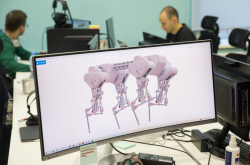
Thus, studies in the program are built at the intersection of two fields. As an engineering university, ITMO provides students access to labs and technical competencies, while industry experts acting as lecturers teach students to use these tools smartly. Throughout the program, students work with new AI software and enter the market with competencies typically developed through years of practice.
Applicants will need to pass a three-stage entrance exam. First, there will be an online test on business management and economics. Next, applicants will need to solve a business case using AI – this will test their familiarity with neural networks. Here, the exam committee will be interested in how applicants interact with AI tools and interpret their results, not the specific output provided by the neural network. The third and final step is an interview with the exam committee.
Graduates of the program will be able to work as business and system analysts, AI consultants, project leads in AI implementation, and heads of AI departments.