Industrial enzymes can be found across a broad range of industries: animal feed, alcohol, bakery products, household chemicals, and oil production. The Russian enzymes market relies heavily on imports: in 2024, Russia’s imports of enzymes exceeded production by 50 times, with more than one third of these deliveries coming from China. A similar trend is observed with biosurfactants and probiotics. The total value of the biotechnology market in Russia reaches 440 billion rubles.
Reliance on imports is expected to be reduced through the national project Technological Support for Bioeconomy. The key goal of this initiative is to halve import dependence and increase the share of domestically-produced biotech products to 55% by 2030. To reach this objective, one approach is to establish infrastructure for pilot production that will help bring laboratory-developed solutions to the next level.
The demand for the above-mentioned infrastructure is driven by the specifics of biotechnology production. While most laboratories in Russia are equipped with 1-10L bioreactors (rarely 30-100L), industrial production requires volumes equal to tens of cubic meters. The scale-up process raises a number of technological hurdles associated with both the behavior of microorganisms and equipment performance, which limits the reproducibility of results achieved at laboratories. There’s also a lack of facilities that can be used to complete the preceding stage and produce pilot batches. Besides, industrial investors often refuse to invest in lab-only technologies.
The Industrial BioTech Engineering Center is a development and scaling platform that operates on the common international model: a Contract Development and Manufacturing Organization, or CDMO. The center’s experts develop and optimize production strains, i.e., microorganisms that synthesize a specific substance. They also optimize cultivation processes for bacteria, yeast, and fungi and scale the process into bioreactors of up to 1,000L. Thanks to the range of available equipment, the module-based isolation and purification lines can be tailored for a specific product and therefore produce biologicals in any form needed: liquid, dry, concentrated, or granulated. Sampling and analysis are performed by robotic stations, while data for experiments is collected and examined in real time with the help of AI. All processes are digitized and used to produce digital twins; potentially, this will help predict results and reduce the need for cost-demanding experiments.
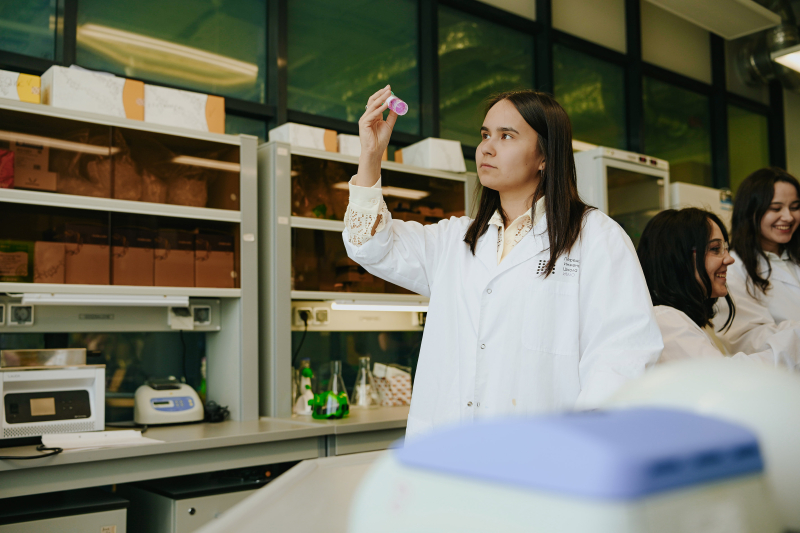
Inside the center. Credit: Industrial BioTech Engineering Center
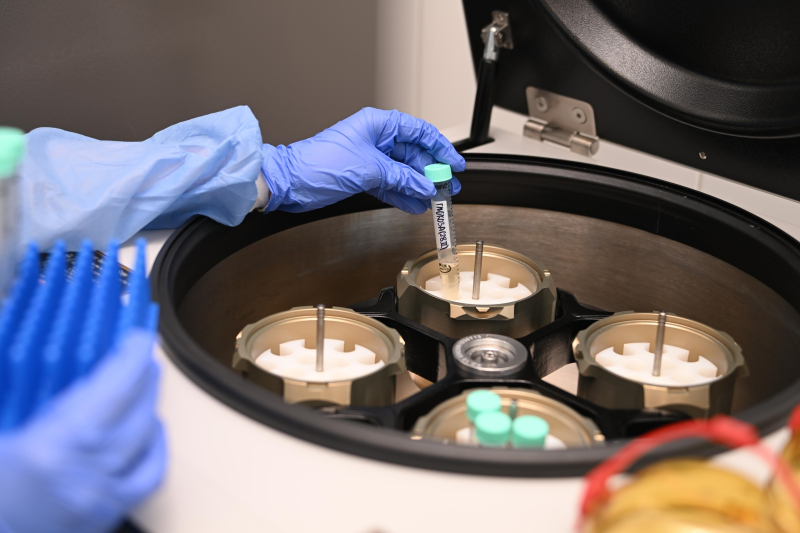
Inside the center. Credit: Industrial BioTech Engineering Center
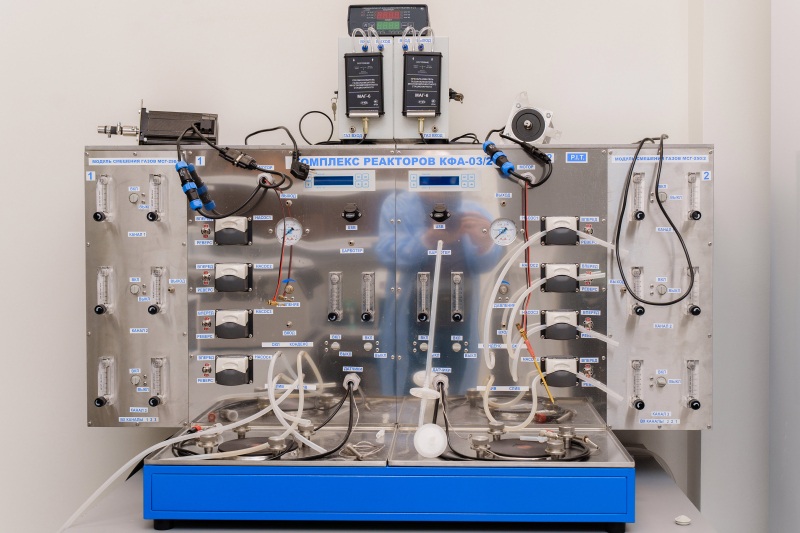
Inside the center. Credit: Industrial BioTech Engineering Center
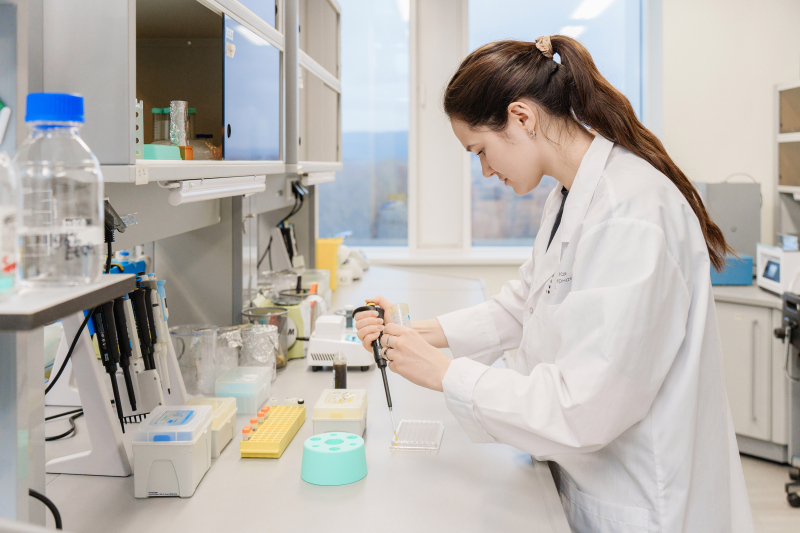
Inside the center. Credit: Industrial BioTech Engineering Center
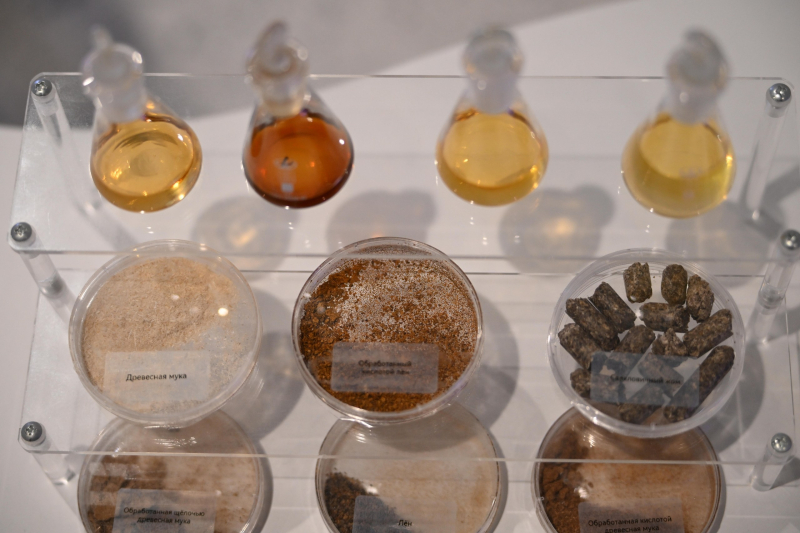
Inside the center. Credit: Industrial BioTech Engineering Center
The center accepts technologies at any stage of readiness and helps bring them to pilot manufacturing. Customers receive a pilot batch for further certification and validation, as well as a full package of documentation: laboratory and pilot-scale production regulations and a feasibility study. The center produces biologicals for various industries, including oil extraction, food, animal feed, cosmetics, and household chemicals. It works with both industrial companies and startups with no in-house production facilities. The key partner of the center is Tatneft, which provides co-financing and infrastructure. The first projects for the company are already in the works.
“Biotech in Russia has a strong research ground that can pave the way for new products. However, research teams often don’t have enough equipment, data, and documents to take their developments from a laboratory to production. We close this gap at a single venue and digitize every step to expand our own database and, at the same time, speed up future developments. Additionally, we analyze the economics of the process: investors receive not only a technology but also its cost analysis, timeline, and payback period – all this will help them make the final decision,” notes Aziza Oripova, the head of the Industrial BioTech Engineering Center.
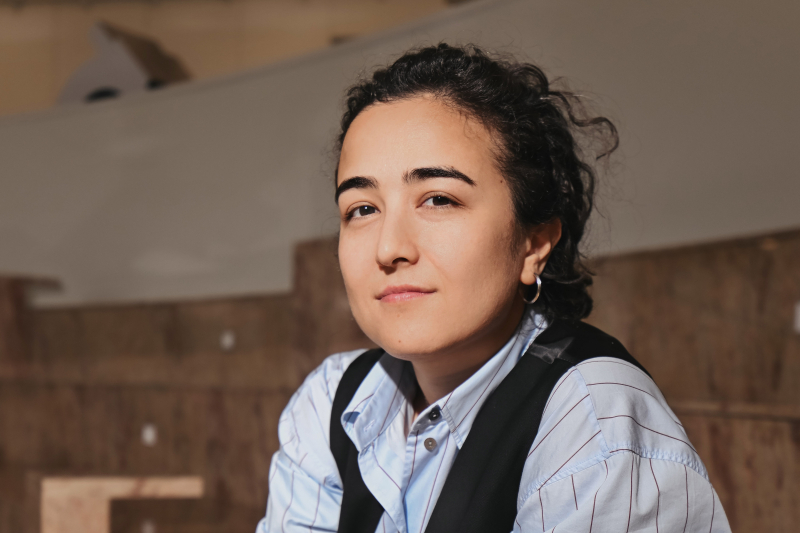
Aziza Oripova. Credit: Industrial BioTech Engineering Center
The Industrial BioTech Engineering Center grew out of the Advanced Engineering School in Almetyevsk (AlmetTech), which was established in partnership with Tatneft. The center is set to launch small-scale production of its own biopharmaceuticals in the future.