A Day in the Life of a Business Analyst: Between Chaos and Clarity
My workday usually starts around 10 a.m. I come to the office, grab breakfast at the café on the first floor, usually a sandwich or pancakes, and head to my desk. While my computer is waking up, I make myself a cup of tea in the kitchen. That small morning routine helps me switch into work mode.

Once I’m back with my tea and breakfast, I start by checking work chats and emails. Then I plan my day. In our company, each employee has four slots of two hours, which project managers fill with tasks for their projects. So I open the schedule and check what projects I’m working on today, then pick the most important tasks that I need to finish.
I like to mix office and remote work. Some days I stay home, others I come to the office. It keeps me focused and helps me rest when I need it. Mornings are usually calm, and that’s when I set the tone for the day: organize my thoughts, understand what’s waiting ahead, and get ready for the small chaos that every analyst’s day brings.

Turning talks into tasks
Most of my day is filled with meetings. Some are quick syncs with the team, others are long talks with clients. At first, it might look like we’re just discussing ideas, but behind every conversation there’s a lot of hidden work. My job is to listen carefully, ask the right questions, and make sure I really understand what people mean, not just what they say.
A typical task starts with a call where the client explains what they want to see in their system. They usually describe everything from their own business point of view, and it’s my job to turn that into something developers can actually build. After the meeting, I write a task description, where I explain how this should be implemented without going too deep into the technical details.
Once a week we have a weekly review for each project, where we discuss what’s been done, what we’re doing now, and what’s next. These moments help me connect the dots between all the pieces of work happening around. It might sound simple, just talk and write things down, but in reality, it’s one of the hardest parts of the job.
The work no one sees (but everyone needs)
Not everything I do during the day looks exciting from the outside. Between meetings and project tasks, there are always small but important things that keep everything running. I spend part of my day working on internal projects, writing documentation, supporting company services, or updating reports in Jira. It might sound like routine, but without this part, nothing else would really work.
Sometimes I use this time to learn something new, especially when the project flow is calmer. I watch short tutorials, read documentation, or just explore new tools. It helps me stay sharp and better understand how our system works.
This part of the day feels quieter, almost like a pause between waves of communication. It’s when I can focus, think through details, and get things done without rush. These background tasks may not make you feel like a hero of the day, but they build the base for all the visible results later.
Teamwork behind every task
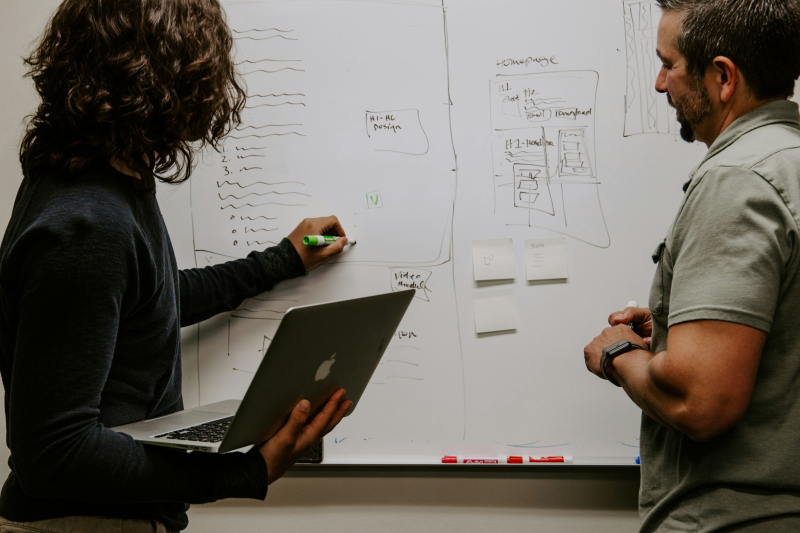
Writing a task description sounds easy until you actually start doing it. Our system is big, with many details and tricky parts, so it’s impossible to know everything. When I have to describe how a new feature should work, I often ask for help from my mentor or one of our engineers. They help me find the right direction and explain the things that I might have missed.
Before writing, I always make a list of questions for the client, especially if something wasn’t clear during the meeting. This step saves a lot of time later. It’s better to ask than to guess. There were moments when I thought I was the only one who didn’t get it, but then I realized everyone has been there at some point.
Sometimes we spend hours discussing one small detail, but that’s how real clarity appears. When the developers finally implement the task I wrote, I feel a mix of pride and relief. It’s a reminder that progress comes from asking, learning, and working together.
The quiet end of a busy day
By the end of the day, I try to wrap things up and put everything in order. The last thing I do before leaving is log my work time in Jira. It’s a small ritual that helps me close the day and draw a line between work and the rest of my life. I’ve learned that keeping this boundary is important if I want to stay focused and not burn out.
Once I shut down my laptop, I remind myself that it’s okay not to finish everything at once. There will always be more tasks, more meetings, more things to figure out. What really matters is that I move forward, even if it’s just a little. Sometimes I think about how far I’ve come from my first day, when I barely understood what I was doing. Now I can look back and see real progress. Every question I asked, every mistake I fixed, every challenge I faced — all of it helped me grow. And tomorrow, I’ll come back, make myself a cup of tea, and start again.