Profile
Elena Krivoshapkina is a DSc in chemistry, a professor, and the head of ITMO’s EnergyLab. She is also the director of the Gazprom Neft-ITMO Research and Education Center, where Bachelor’s and Master’s students can work on real-world research projects and develop technological solutions for energy enterprises. Among her research interests are functional nanomaterials at the intersection of chemistry and biology, as well as catalytic systems, sorbents, and sensors with multiple applications – from measuring glucose concentration in biological fluids to extracting valuable substances from raw materials.
Why did the university decide to establish a new faculty? Was it built from scratch – or was there a “precursor”?
Until a certain time, chemical and biological studies at ITMO used to be quite “spread out.” I lead EnergyLab, a part of the School of Life Sciences established within the Science and Universities national project, and we maintain close ties with the industry. I’m also the head of the Gazprom Neft-ITMO Research and Education Center – an independent center that focuses on solving industrial challenges in the fields of oilfield chemistry, drilling fluids, and new structural materials for drilling, exploration, production, and transportation of oil. In the times of the School of Computer Technologies and Control, there was also the Center for Chemical Engineering, which implemented one Bachelor’s and two Master’s programs for bioengineers: Bioengineering, Chemoinformatics and Bioengineering, and Bioeconomics and Resource Management. As you can see, the structure felt rather complex and unintuitive.
The main motivation for launching a new faculty is to increase the chemical and bioengineering focus at the university. This includes cutting-edge research, industrial projects, and training of marketable specialists in engineering chemistry and biology who can bring projects to a higher Technology Readiness Level (TRL), successfully work at the intersection of these fields, and quickly adapt to the market’s emerging demands. Therefore, it made perfect sense to tie all this into a single unit that would operate and evolve as an integrated system and would be easy to comprehend for our applicants, students, and partners.
Read also:
What will students at the faculty be studying and how will this three-in-one (chemistry, biology, and engineering) model work?
The new faculty is built around grand challenges related to energy, climate, materials, resources, bioproduction, and digital design of molecules and processes.
Our task is to train students not as merely chemists or biologists, but engineers who can build complex chemical and chemical and biological systems and take them from an idea to a technology, a process, a product, or an industrial application. I’ll use a few examples from our own practice. Chemistry and materials engineering have long been one of the key areas at ITMO University. When we develop a new material – for example, a polymer-based one – we often see that it has not one, but several possible applications.
On the one hand, this material can be used for healing wounds. If so, we need to focus more on the biology side of the research; this way, we’ll be able to tell how the developed structure will affect cells and whether it’s safe for humans, et cetera. On the other hand, if we look into its chemical applications, we may realize that this material works well as a selective sorbent for rare-earth metals. As we know, these kinds of studies are in great demand today.
Engineering is here by no coincidence, either. It brings opportunities and technologies turn opportunities into products. However, it takes years to build up an engineering way of thinking. Say, we’ve developed a new material at the lab. What’s our next move? How much should it cost? And how can we bring it into the market? These questions bring us closer to the industry and new challenges that scientists have to learn to consider and cope with. This doesn't make our work worse; on the contrary, it helps fast-track the transformation process from TRL-1 to TRL-6 (the creation of a full-fledged prototype or a model and its successful testing in conditions close to real life – Ed.). That’s a realistic level to reach at the university. At the faculty, we’ll further develop this three-component structure – a cross between chemistry, biology, and engineering – to achieve clear and concise applied goals and build an environment that cultivates ambitious students and graduates who are ready to create and build the market of the future.
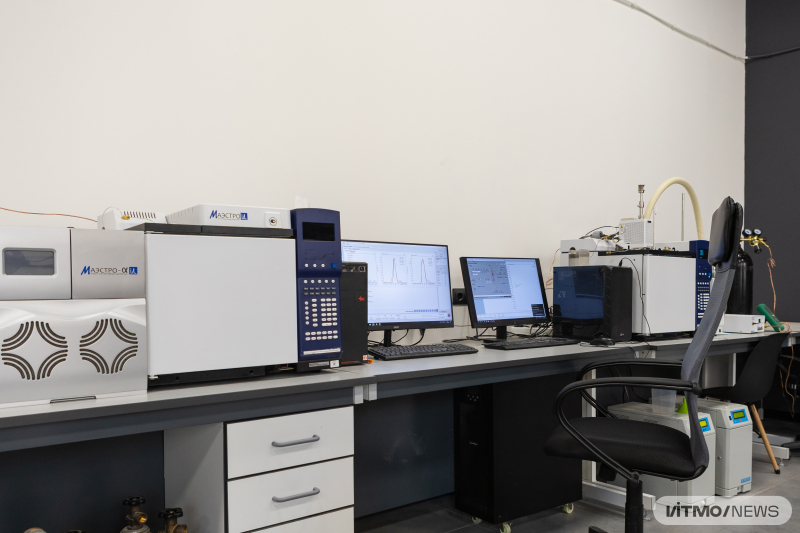
ITMO laboratories at Grivtsova Ln. where the students of the new faculty will study. Photo by Dmitry Grigoryev / ITMO NEWS
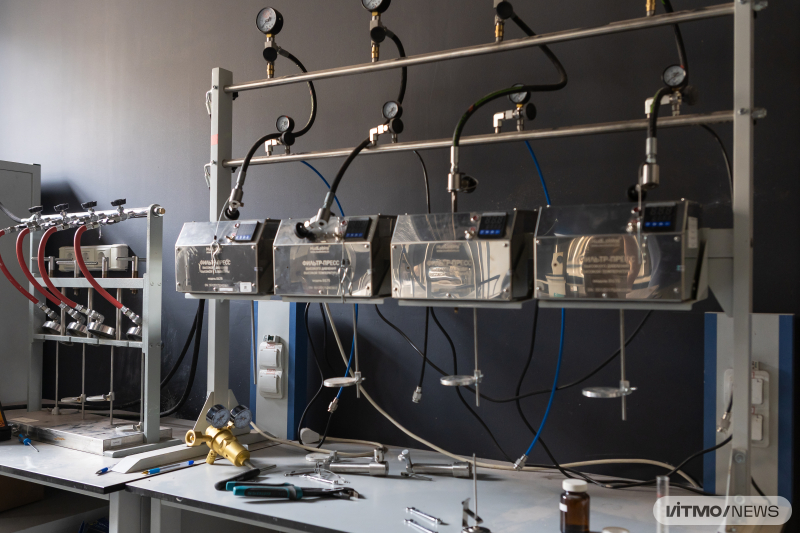
ITMO laboratories at Grivtsova Ln. where the students of the new faculty will study. Photo by Dmitry Grigoryev / ITMO NEWS
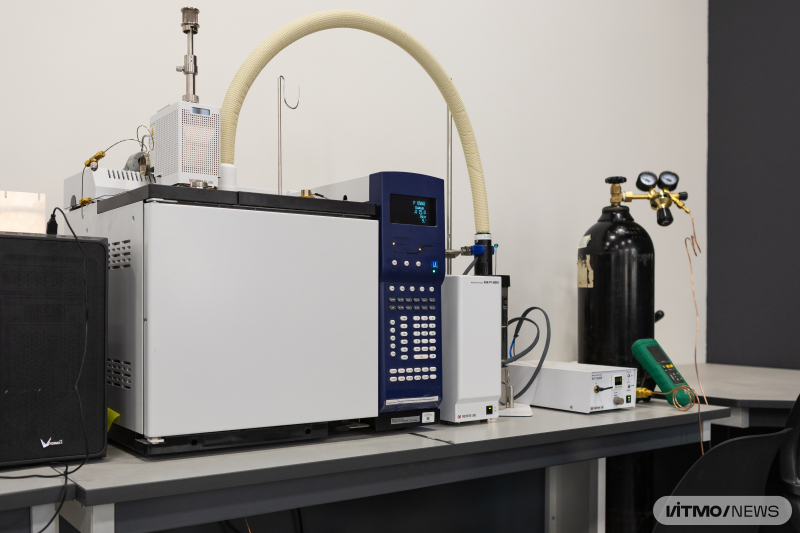
ITMO laboratories at Grivtsova Ln. where the students of the new faculty will study. Photo by Dmitry Grigoryev / ITMO NEWS
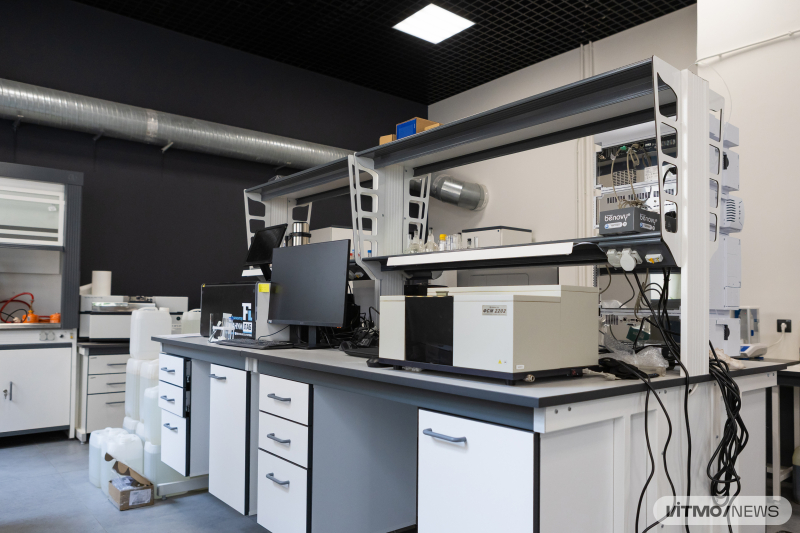
ITMO laboratories at Grivtsova Ln. where the students of the new faculty will study. Photo by Dmitry Grigoryev / ITMO NEWS
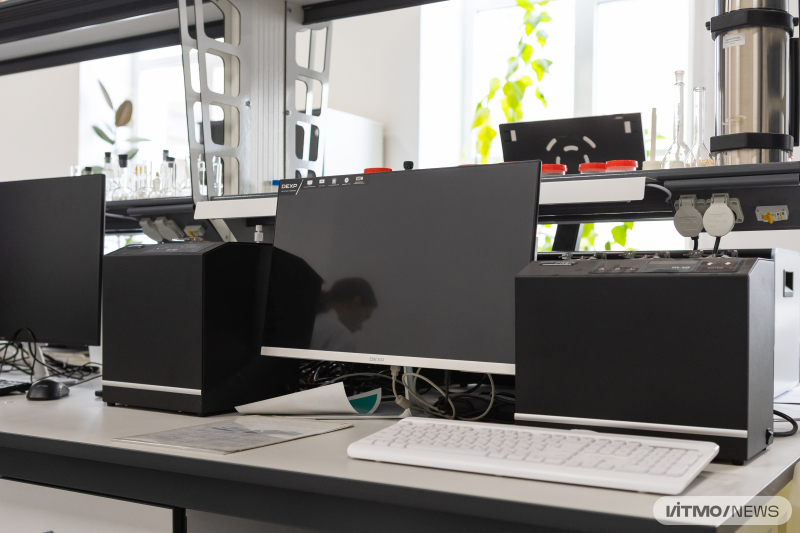
ITMO laboratories at Grivtsova Ln. where the students of the new faculty will study. Photo by Dmitry Grigoryev / ITMO NEWS
Speaking of fields and projects, we plan to study the chemistry of polymer materials; this field has been around at the university for a long time and we already have some teams, partners, and projects. Then, we’d like to focus on chemistry and solving applied tasks for the energy sector. Additionally, we’re also actively looking into rare-earth metals – we have some groundwork in this area, as well. There are also biomaterials for medicine and cosmetology. However, the list of fields doesn’t stop here – I won’t rule out that we’ll have more teams and laboratories appear along the way.
ITMO has built a reputation in information technologies and AI, but natural sciences have been pursued at the university for quite a while, too – and its standing in related rankings over the years is a proof of that. What sets ITMO apart from universities that specialize specifically in chemistry and biology?
Although our faculty stems from three main fields I mentioned earlier, information technologies and AI are the common thread that runs through all of the university’s activities, fields, and focuses. This is our philosophy.
The chemistry track has indeed existed at ITMO for many years and all this time, we’ve been publishing papers, winning grants, and securing spots on different rankings. However, what sets us apart is our vision of how we can and should apply digital tools within the field.
Again, let me give another example. When we deal with an industrial partner, we, say, have a pool of tasks related to materials research for the company’s needs. The process is typically demanding in terms of human and laboratory resources, which may result in extended deadlines and higher final costs. But thanks to our IT competences, we can opt for digital tools or develop custom-built methods – including those based on machine learning – that can help save time and automate and optimize the process. And as experience shows, that’s largely the reason why companies come to us in the first place.
Read also:
Automated Discoveries: Digital Assistant for Chemists Developed at ITMO
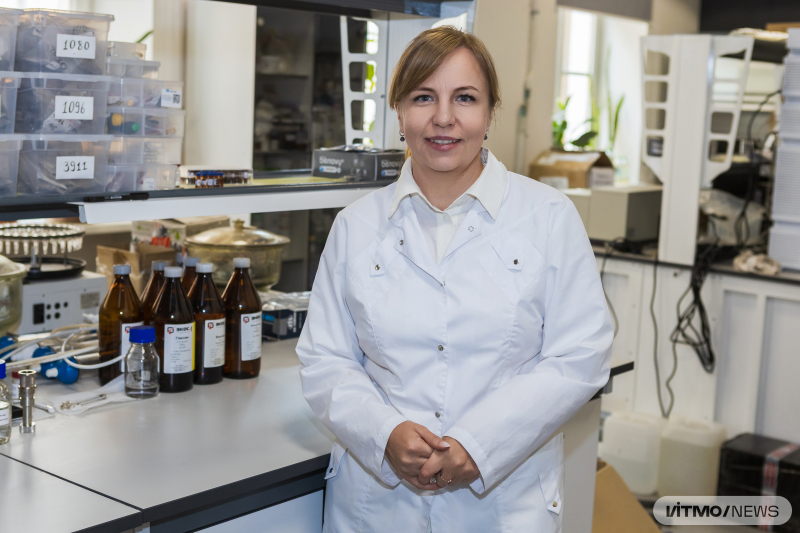
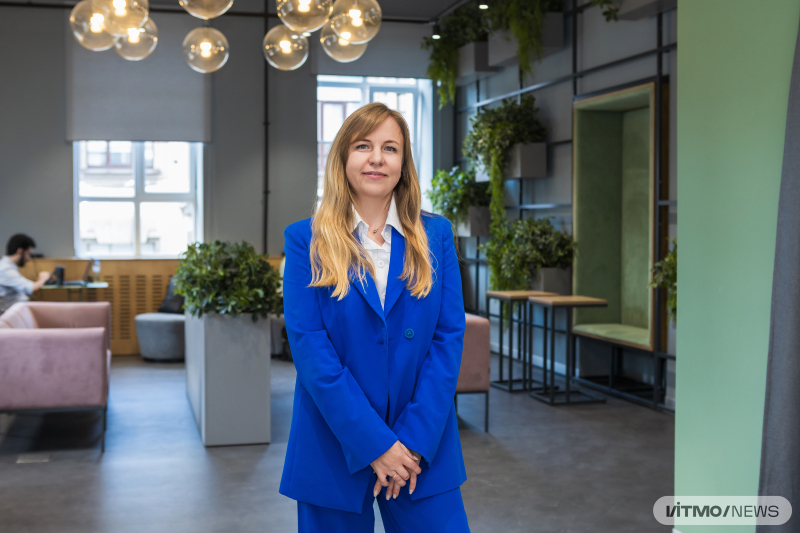
Elena Krivoshapkina. Photo by Dmitry Grigoryev / ITMO NEWS
The university boasts massive databases and experience in industrial collaborations, as well as its own vision on frontier studies – and thanks to that, we know how and where to produce highly-efficient multiagent systems.
Gazprom Neft has been a long-time partner of ITMO: there is a joint research center along with several educational programs. What about other industrial partners? Who are they and will there be more?
The list of our partners is quite broad already. We’ve teamed up with Edelweiss, who are interested in our expertise in macromolecular chemistry and research teams with years of experience in this field. One of them is helmed by Aleksandr Podshivalov, the head of ITMO’s Center for Chemical Engineering. In the future, we expect even more partnerships in this area; after all, the demand is there.
Together with its other partner, SIBUR, ITMO has launched a joint engineering center that carries out a vast scope of chemical projects, But this is not the only focus of our work; it extends far beyond chemistry. For example, companies that extract and transport oil have to deal with corrosion and biocorrosion in particular, which requires other types of competencies from us – including microbiology.
Moreover, we’re entering the era of hard-to-recover oil reserves, which brings the question of their cost-efficiency to the table. The solutions we have now are either cost-demanding or technologically challenging; and what might help here are biosystems – bacteria that can increase oil recovery. The environmental aspect should be factored in, as well. With the resources on hand, we can create new methods that will allow us to assess the potential of such reserves. In this case, our expertise goes way beyond conventional chemistry – and we’re exploring this field, too.
As for academic partners, we already work closely with the Research Institute of Hygiene, Occupational Pathology and Human Ecology in the fields of product safety and evaluation, as well as on the studies examining the impact of chemical, biological, and production factors on humans. Among our other partners are the Institute of Experimental Medicine (scaffolds and membranes for wound care), the Institute of Macromolecular Compounds (polymer materials, including synthesis and study of macromolecular compounds, membrane, and biomedical materials), and the Institute for Analytical Instrumentation (the development of analytical methods, devices, and technologies for the study of substances, materials, and biological and medical objects).
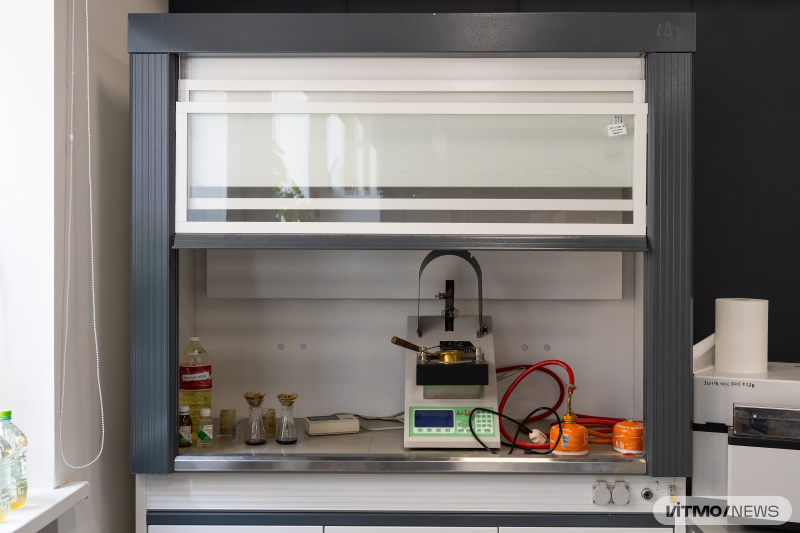
ITMO laboratories at Grivtsova Ln. where the students of the new faculty will study. Photo by Dmitry Grigoryev / ITMO NEWS
You’ve already mentioned that the faculty will offer three educational programs: one Bachelor’s and two Master’s. How will the studies be organized? And what will students gain when enrolling at the faculty?
The faculty will be located at three ITMO campuses: on Lomonosova St., Grivtsova Ln., and Kronverksky Pr. Our task is to make the learning processes seamless for students so that they have the same access to equipment, coworking spaces, and convenient classrooms regardless of which campus they are on. Students will mainly have their classes on campuses on Lomonosova St. and Kronverksky Pr. On September 1, we plan to open new laboratories on Grivtsova Ln. There, students will have all the essentials for their studies – materials, lab equipment, lectures, and faculty staff. In 2027, we’re going to completely move our facilities from Kronverksky Pr. to Grivtsova Ln.
The education process will also be seamless, free of any disconnected courses. For example, a student might take a course in organic chemistry, learn to synthesize molecules, and then to examine and describe it as part of their course on physical and chemical methods. The result: one lab course instead of two fragmented ones. Furthermore, we’re building an educational core for the school: our expertise and equipment will be available to not just the faculty’s students, but all students.
The educational programs will undergo transformation, too. We’re living in a rapidly changing world and ITMO is highly flexible, adaptable, and quick to respond to new challenges – partly thanks to the academic freedom pursued here. We constantly ask ourselves: “What are our areas of growth and how do we portray graduates of the future?”. We’re looking for the answers and trying to adapt our learning process to the new reality.
Read more about educational programs, curricula, and enrollment requirements on ITMO’s admissions website.
And how do you see the “graduate of the future”?
It’s a difficult question. To put it briefly, these are next-gen engineers who have a strong command of chemistry, biology, and materials, understand processes and data, and know how to deal with industrial projects, act as qualified customers when setting tasks at the intersection of chemistry, biology, and AI, design and test technological solutions, evaluate economic viability, and advance technologies to the pilot or product stage. That’s our philosophy – and we expect our students to take an active part in the educational process. Over the course of their training, students will be able to try on different roles and duties, including industrial ones, which implies a different level of responsibility – and students learn to do that. We’ll also let them intern at partner companies and go on exchange at other universities. Thanks to that, our graduates will feel more confident and job-ready even in such a fast-paced environment.