Please, tell us a bit about yourself and where you’re from.
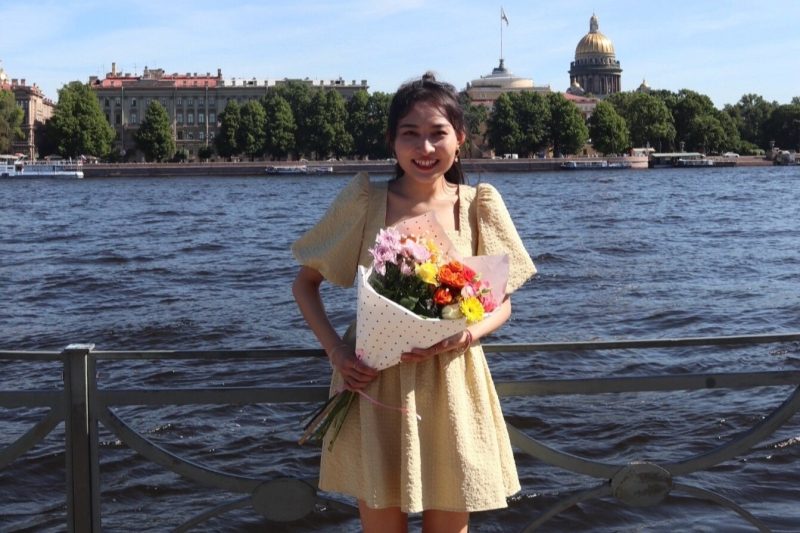
My name is Ruimin Ma, and I come from Xi'an, a historic city that once served as the capital of several ancient Chinese dynasties.
You're preparing for a PhD in systems analysis, control, and information. What first sparked your interest in these subjects?
I was drawn to this unique intersection of mathematics, computer science, modeling, and practical decision-making. I'm especially interested in how systems analysis and data-driven methods can help us understand complex real-world problems such as environmental protection, emissions reduction, and sustainable development. What I love most is that this field isn't confined to theory; it has tangible applications to social and technological challenges.
You're currently in ITMO's Foundation Program. How has that journey been?
It has been a deeply meaningful experience. It has helped me improve my Russian language skills and gradually adapt to Russia's academic environment. At first, everything felt new and sometimes overwhelming, but step by step, I've grown more confident.
What has been the biggest adjustment since arriving in Russia?
It has to be using Russian in both daily life and academic settings. At the beginning, even simple everyday conversations required significant effort. I also needed time to understand a different educational system and communication style. But this experience has made me more independent and resilient.
How has learning Russian influenced your daily life and confidence?
When I can communicate more clearly, I feel less anxious and more connected to the people around me. It also gives me greater confidence when handling university matters, navigating the city, and preparing for future academic work.
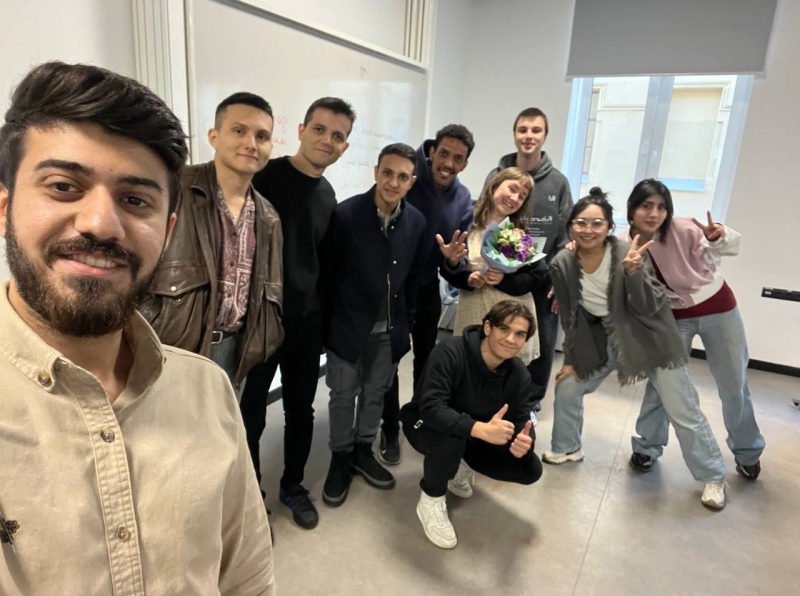
Ruimin with her friends at ITMO. Photo courtesy of the subject
Any memorable moments from your Russian classes?
One moment that stands out was realizing I could gradually express my thoughts in Russian, even if not perfectly. Small milestones, like understanding a conversation or answering a question in class, gave me a strong sense of achievement. I also treasured the friendly classroom atmosphere, where students from different countries studied and supported one another.
What's your impression of ITMO so far?
Very positive. It’s modern, international, and open to new ideas. There is a strong emphasis on technology, innovation, and interdisciplinary education, which aligns perfectly with my research goals. I also truly appreciate the support provided to international students.
What cultural differences have stood out to you?
One difference I noticed is communication style. Russians may seem more direct at first, but once you get to know them, you find many are sincere, helpful, and kind. I also noticed differences in daily habits, food, climate, and academic routines. These were challenging at first, but they've made my experience richer and more valuable.
What has surprised you most about life in St. Petersburg?
The city has a powerful cultural and historical presence – stunning architecture, world-class museums, winding rivers, and iconic bridges. I was also surprised by the long white nights in summer and the very different rhythm of life compared to China. St. Petersburg feels simultaneously academic and artistic.
Are there aspects of Russian culture, food, or daily life you've particularly enjoyed discovering?
I've enjoyed visiting museums, walking through historic streets, and learning more about Russian literature and art. As for food, I've loved trying dishes like borscht, blini, and various Russian pastries. These small experiences help me feel closer to the culture.
How do you usually spend your free time?
Besides exploring the city, I also like spending time reading, listening to music, and connecting with friends.
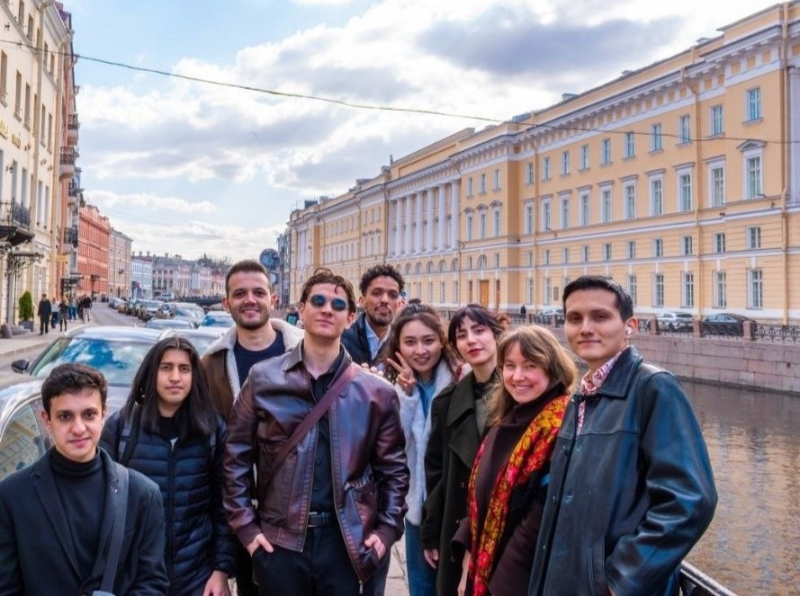
Ruimin with her friends in St. Petersburg. Photo courtesy of the subject
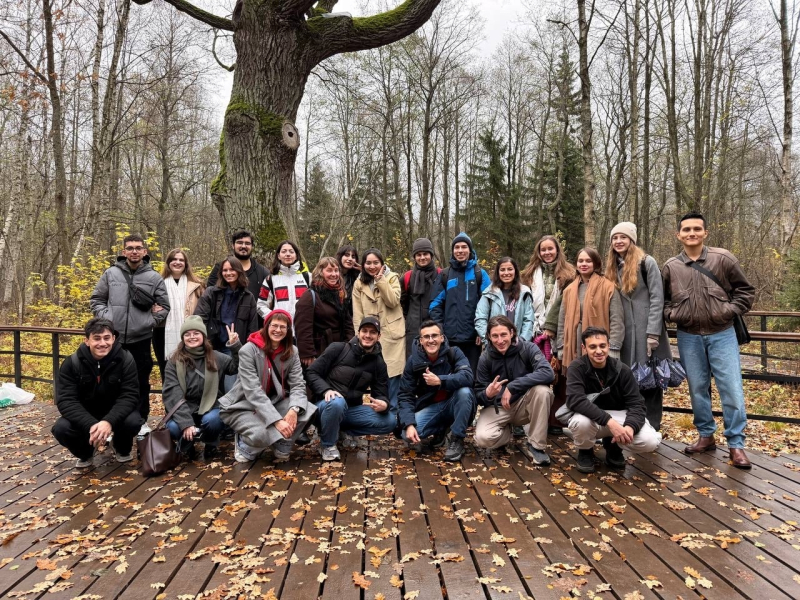
Ruimin with her friends in St. Petersburg. Photo courtesy of the subject
Have you found any favorite spots to relax or recharge?
I especially love places near the Neva River and the city center, where I can walk and take in the views. Parks and quiet streets help me unwind after studying. For me, simply wandering through St. Petersburg is restorative.
What are you most looking forward to as you begin your PhD?
I'm most excited about diving into deeper research and developing my own academic ideas. I hope to work on interdisciplinary problems that combine systems analysis, mathematical modeling, data analysis, and practical applications. I also look forward to engaging with professors, researchers, and students from diverse backgrounds. I believe those interactions will help me grow both academically and personally.
What motivates you during difficult moments?
During tough times, I remind myself why I chose this path. My motivation comes from my research goals, my family's support, and my desire to become stronger and more independent. Studying abroad isn't always easy, but every challenge teaches me something valuable.
Finally, what advice would you give to students from China considering higher education in Russia?
My advice is to prepare well, especially in language and cultural adaptation. Learning Russian will make daily life and studies much easier, so take it seriously from the start. Also, be patient with yourself – adaptation takes time. Russia offers excellent higher education opportunities, and if students stay open-minded and hardworking, they can gain a truly invaluable experience here.