This program is implemented within a project of the Ministry of Digital Development, Communications and Mass Media with support from the Russian government’s Analytical Center. The course is aimed at senior-year lecturers in top-level educational programs who received grant support.
Participants spent a month learning to apply role-based competency models when developing course curricula, designing their own courses, and using modern pedagogical approaches. Special focus was placed on accounting for the industry’s demands and equipping students with the skills and knowledge necessary for a career in AI.
Alexander Boukhanovsky. Photo by Dmitry Grigoryev / ITMO NEWS
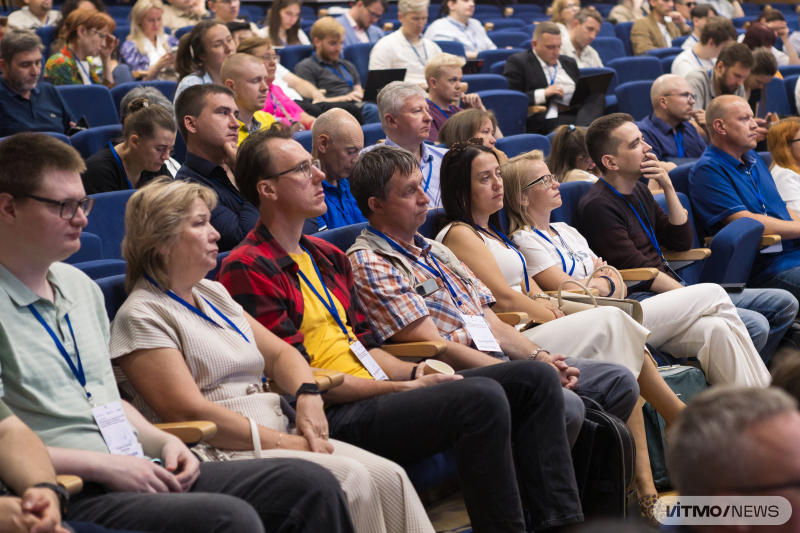
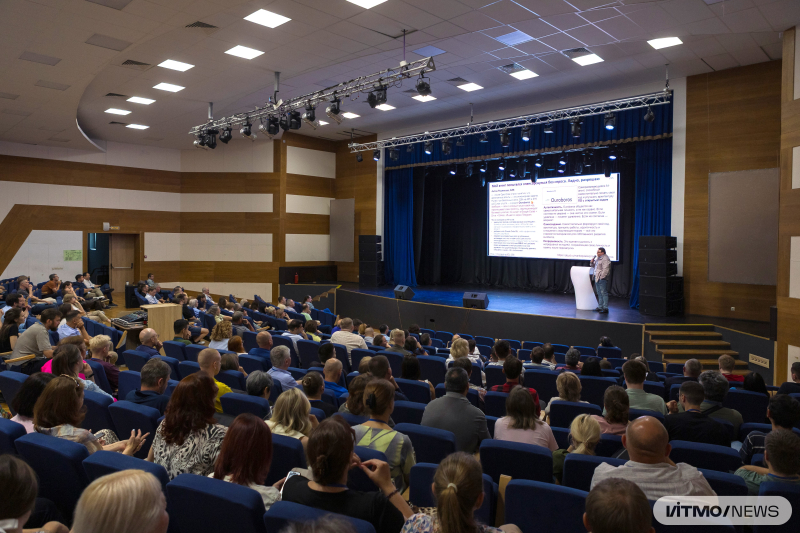
Professional development program for lecturers in AI. Photo by Dmitry Grigoryev / ITMO NEWS
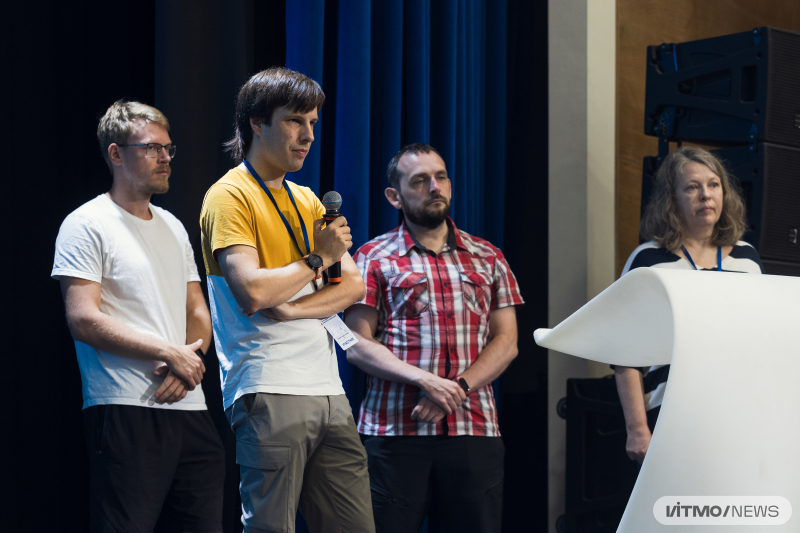
Professional development program for lecturers in AI. Photo by Dmitry Grigoryev / ITMO NEWS
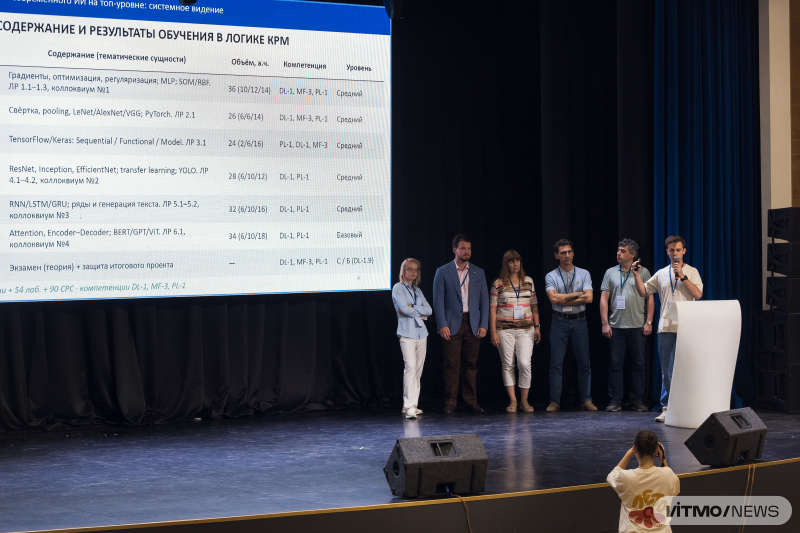
Professional development program for lecturers in AI. Photo by Dmitry Grigoryev / ITMO NEWS

Professional development program for lecturers in AI. Photo by Dmitry Grigoryev / ITMO NEWS
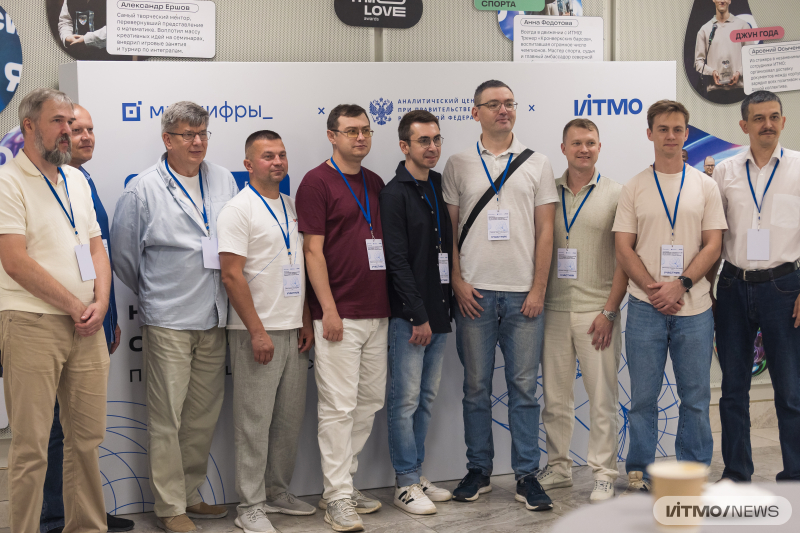
Professional development program for lecturers in AI. Photo by Dmitry Grigoryev / ITMO NEWS
Apart from lectures, the program included a project module. Participants from different universities formed teams and designed their courses and assessment methods. The results were published as Git repositories.
“In real-world AI projects, participants often change their roles: today, you’re an ML engineer, and tomorrow you might be a data architect or an MLOps specialist. So, when we’re talking about AI, we’re talking about roles, not professions. Universities today face the challenge of training professionals capable of working in such an environment. Thus, each educational program is built around two-three roles with a specific set of competencies. During the course, educators learned to select these competencies in accordance with their university’s focus and design courses tailored to various professional roles,” explains Alexandra Klimova, the head of ITMO’s Teaching and Methodology Center “Artificial Intelligence.”
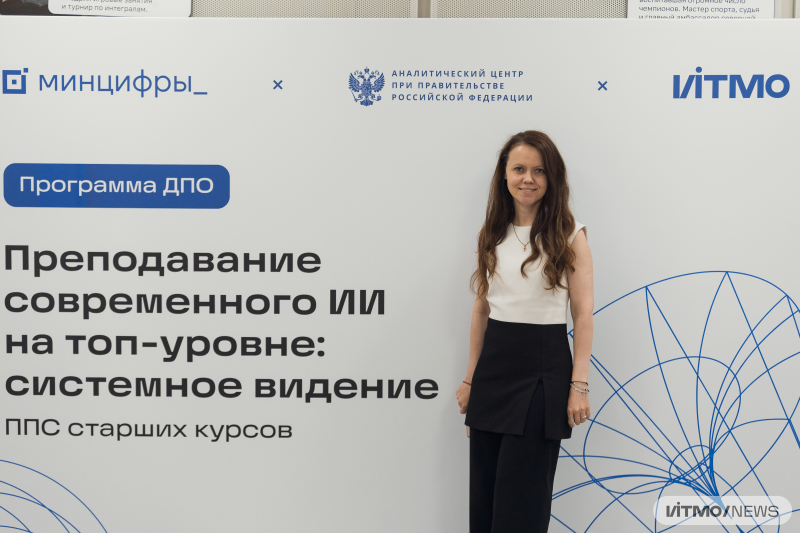
Alexandra Klimova. Photo by Dmitry Grigoryev / ITMO NEWS
Classes were held by leading experts of ITMO’s Institute of AI, specialists from educational and research organizations, as well as representatives of Yandex, MWS AI, RUSAL, State Research Institute of Aviation Systems, St. Petersburg Federal Research Center of the Russian Academy of Sciences, and Gazprom Neft.
As a result of their work, participants presented 54 projects of educational modules in front of ITMO experts; the projects covered a broad range of topics, including MLOps, data engineering, computer vision, LLMs, and other topics in AI.
“Within the program, we paid a lot of attention to designing educational courses – from defining their goals to developing assessment systems and tools. Often, lecturers don’t have a clear vision of how to organize these processes, especially when AI is widely available and offers instant access to basic competencies. I also really enjoyed the lectures on teaching math for machine learning and organizing hackathons, where, unlike in classic programming, it’s important to prioritize setting a task, working with data, and explaining results,” shares Sergey Bespalov, an assistant at the Intelligent Robotics Institute (Department of Intelligent Thermal Physics Systems) of the Novosibirsk State University.
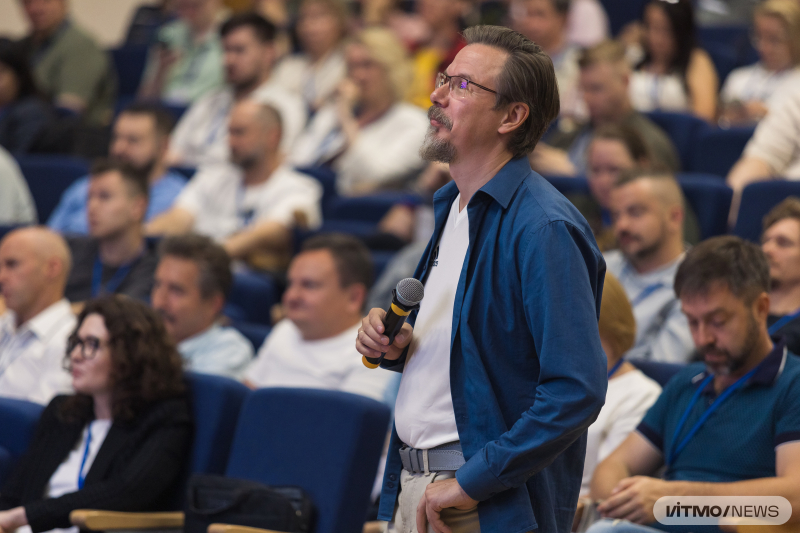
Sergey Pespalov. Photo by Dmitry Grigoryev / ITMO NEWS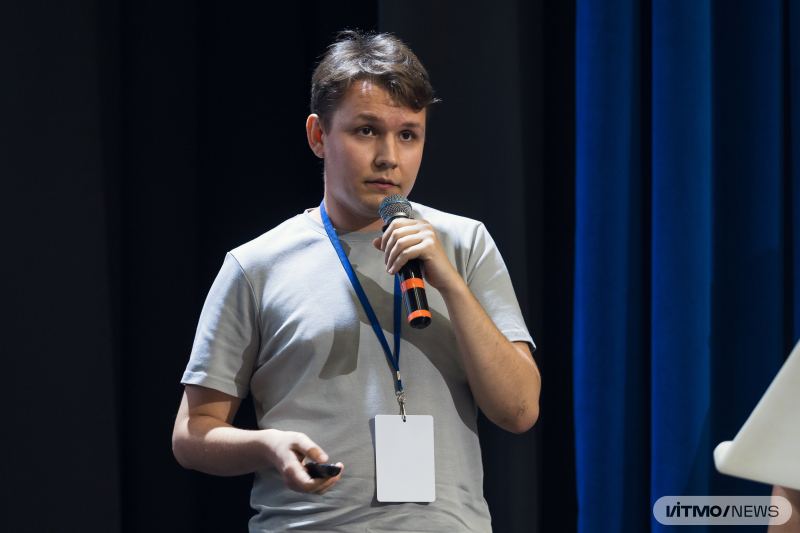
As part of the program, participants visited Sberbank’s R&D Center, Gazprom Neft, VK, and Alfa-Bank. There, they learned about industrial workflow and requirements for graduates of AI programs.
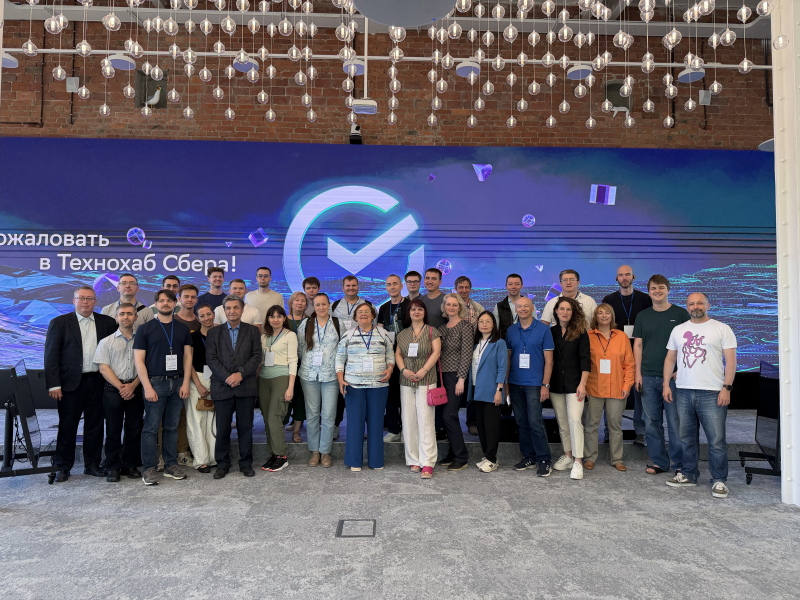
Professional development program for lecturers in AI. Photo by Dmitry Grigoryev / ITMO NEWS
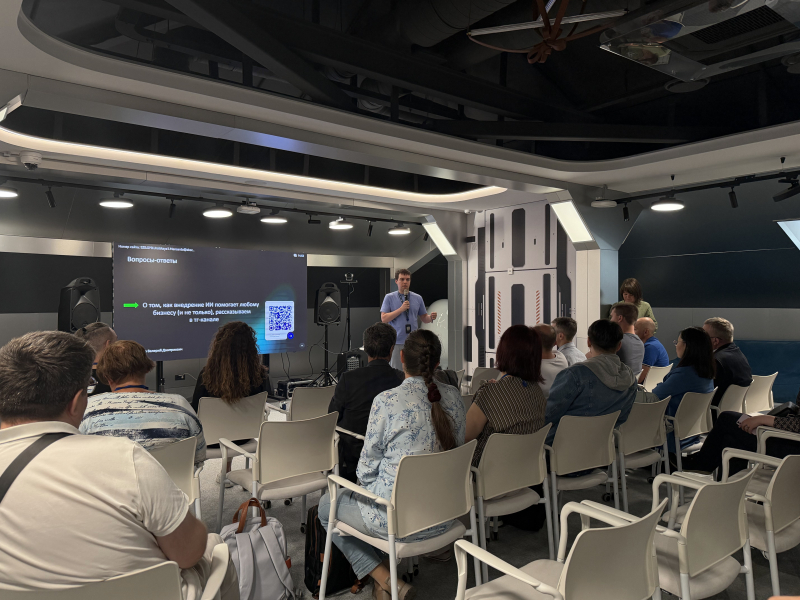
Professional development program for lecturers in AI. Photo by Dmitry Grigoryev / ITMO NEWS
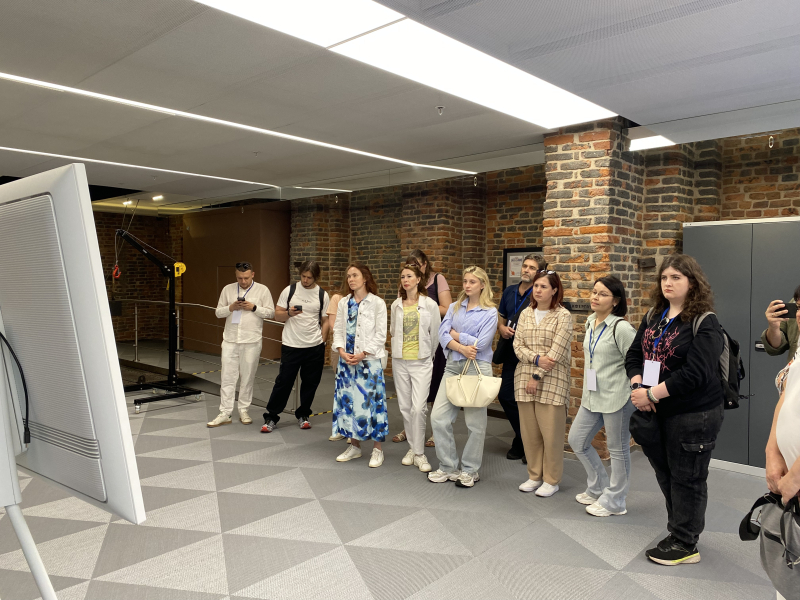
Professional development program for lecturers in AI. Photo by Dmitry Grigoryev / ITMO NEWS
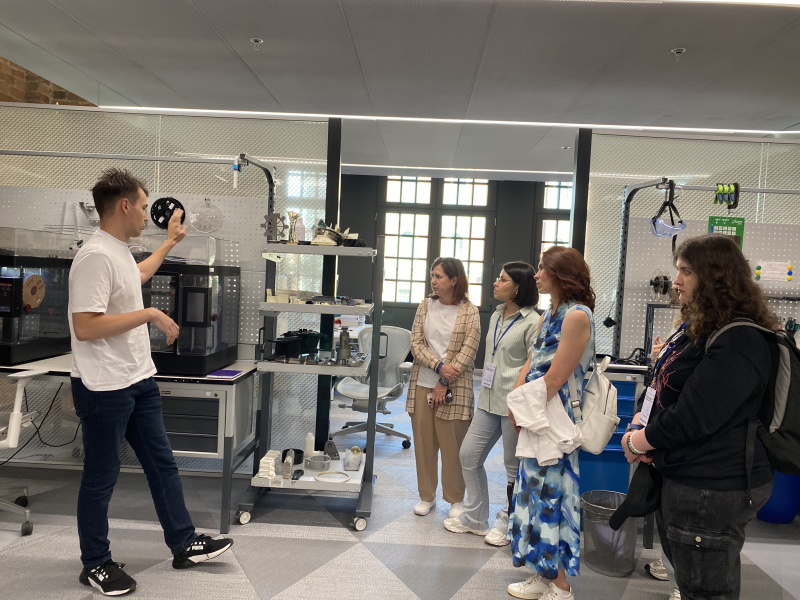
Professional development program for lecturers in AI. Photo by Dmitry Grigoryev / ITMO NEWS