Hi Ayan! Could you start by telling us a bit about yourself?
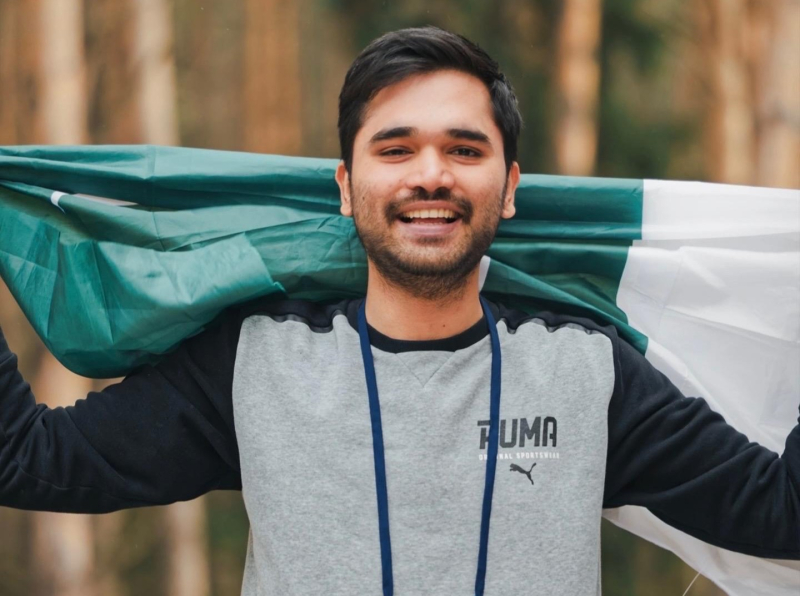
Hey! I’m Ayan, born and raised in Pakistan, now living in the beautiful city of St. Petersburg and pursuing a Master’s in robotics and AI at ITMO. My journey started with electrical engineering, but I was always the kind of person who asked, "What if machines could think, adapt, and move like us?" That curiosity led me here. Robotics feels like the perfect blend of logic and imagination. Every day, it gives me a chance to build something that once only existed in my mind.
What was your first impression of ITMO and St. Petersburg when you arrived?
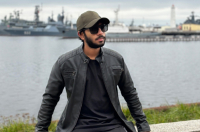
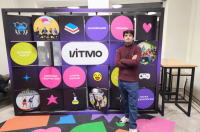
To be honest, I was nervous before arriving. But the moment I stepped into St. Petersburg, I felt like I had entered a living museum. The architecture, the calm vibe, even the snowy streets were all so new and exciting. At ITMO, I felt welcome right away. The university is full of energy and people with big ideas. It’s inspiring just to be around that kind of environment.
Robotics and AI is a field that combines both hardware and high-level programming. Do you lean more toward one side or love the balance?
I love the balance. There’s a special joy in writing code and then seeing a robot respond to it. It’s like turning thoughts into motion. I enjoy the logic of algorithms, but also the hands-on challenges of integrating sensors, motors, and all the little things that make a robot feel alive.
What’s the coolest project you’ve worked on so far?
I’m currently working on a project called Tri-Nav. It’s a robot navigation system that combines A*, dynamic window approach (DWA), and model predictive control (MPC). We’ve built a simulation in MuJoCo where a Husky robot navigates a maze. It’s like watching it “think” and plan its way out. It’s complex but incredibly rewarding. Every time the robot makes the right move, it feels like a small victory.
How does your education at ITMO complement what you learned in Pakistan?
Back in Pakistan, I learned how to solve problems with limited resources. We were big on creativity and grit. At ITMO, I’m getting to dive deeper into research and work with cutting-edge tools. It helps me see problems in new ways and refine my skills to a global standard.
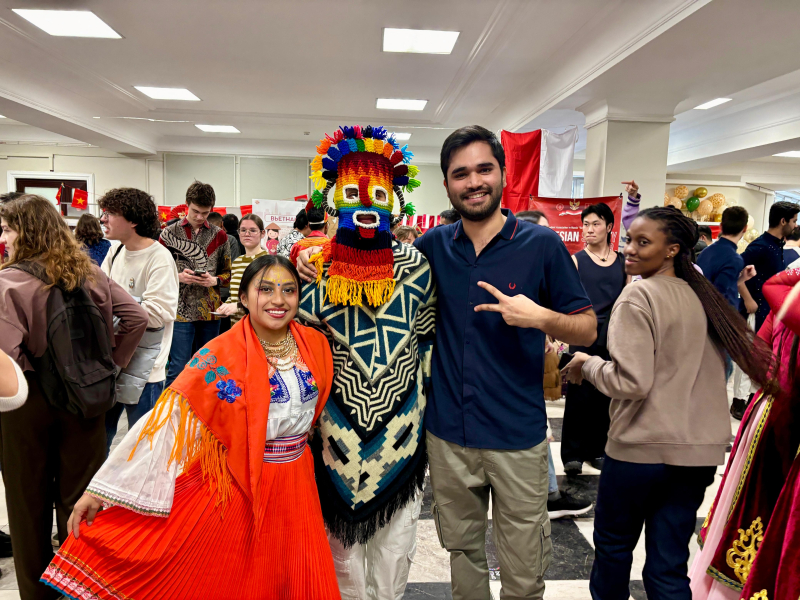
Photo courtesy of the subject
What’s one concept in robotics or AI that really amazed you?
The Unscented Kalman Filter! I know it sounds technical, but learning how robots estimate where they are, even when they’re not sure, is mind-blowing. It changed how I think about uncertainty, not just in robots, but in life, too.
Has studying in Russia changed your perspective on your field?
Yes. There’s a deep focus here on theory and precision. In Pakistan, we were more hands-on, practical. Russia taught me to slow down, model things properly, and really understand before building. That mix has made me a more thoughtful engineer.
Outside the classroom, how do you unwind or recharge?
I try to stay socially active. I joined the Buddy System, which helped me meet students from all over the world. I’ve been to cultural nights where we share food, music, and traditions. It’s amazing how much you can learn just by sharing a meal. I’ve also gone on trips to Yagodnoe: hiking, bonfires, singing songs with strangers who become friends. These moments give me a kind of joy that no textbook ever could.
And I’ve had some big highlights too, like attending the Obninsk Winter and Summer Schools. At the Winter School, I led a team that explored how water droplets behave in steam turbines (yes, it’s more exciting than it sounds!) and we built a Python GUI to visualize it. We won second place, which still feels surreal. Then, in the Summer School, I won the second round of the HackAtom competition. Those were some of the best days: equal parts learning, stress, and celebration.
How’s learning Russian going? Any funny moments?
It’s been tough but fun! I’ve had my share of mix-ups. But slowly, I’ve started understanding and even using Russian in daily life. Every little progress feels like a proud moment.
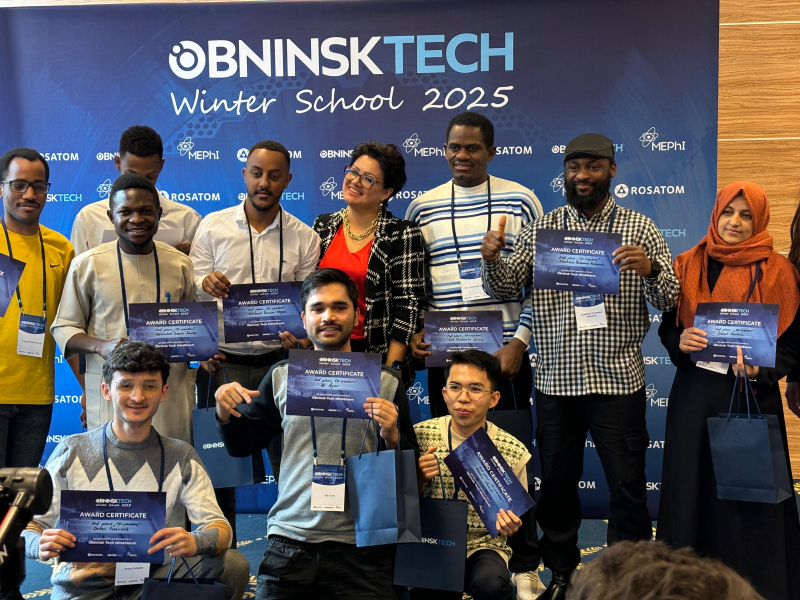
Photo courtesy of the subject
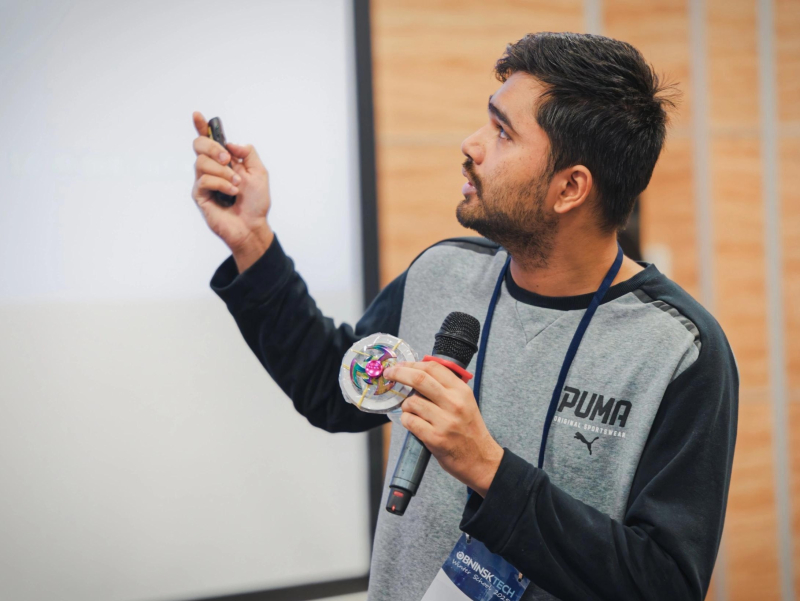
Photo courtesy of the subject
Have you worked with international students at ITMO?
Yes, and it’s been one of the best parts. Collaborating with students from different countries opens your mind. You learn that there are many ways to solve the same problem. That diversity makes you a better thinker, and honestly, a better person, too.
If you could share one piece of Pakistani culture with your classmates, what would it be?
Chai culture, without a doubt. In Pakistan, tea isn’t just a drink. It’s a conversation, a tradition, a way to connect. I’d love to see more people slow down over a cup of chai and just be present with each other.
What kind of future do you want to help build with your skills?
I want to build robots that matter, ones that can support people in healthcare, disaster zones, or agriculture. Technology shouldn't just be cool; it should be useful, especially in places that need it most. I hope to create systems that improve lives, especially in underserved areas.
Finally, what advice would you give to future students thinking about studying robotics and AI abroad?
Don’t wait to feel 100% ready – you probably never will. Just take the leap. Be open, ask questions, and embrace the discomfort – it means you’re growing. And most of all, don’t forget why you started. That passion will carry you through everything.