
Please introduce yourself to our readers.
I’m Hilux Fokou Ngoumo from Cameroon. I work at the intersection of technology, climate action, and youth empowerment. I spend most of my time thinking about how digital tools and information security can actually make people’s lives safer and communities more resilient. Beyond that, I’m a global youth advocate. I've traveled to countries like Germany, the US, Egypt, Kenya, and the UAE to speak at conferences and UN forums about technology, climate, and youth empowerment, focusing on women’s rights.
You’re pursuing a Master’s in information security at ITMO. What sparked your interest in this field?
In high school, I kept hearing stories of friends and family being scammed online, and at first, I thought these were isolated incidents. But as I learned more, I realized the problem is much larger. Not just people, but companies, organizations, and governments can be hacked, with far-reaching consequences. I saw that cybersecurity could be a path where I could contribute to real-world safety and resilience, and make a great career out of it.
Which area of information security interests you the most and why?
I’m most drawn to securing systems that empower people and communities, particularly youth-focused platforms and climate-related digital tools. For example, my work with EcoCityAdapt, a platform I built ahead of COP28 in Dubai, translates climate data into actionable education tools. Protecting such systems ensures that vulnerable communities can trust and use technology to improve their lives, which is ultimately the impact I want to create.
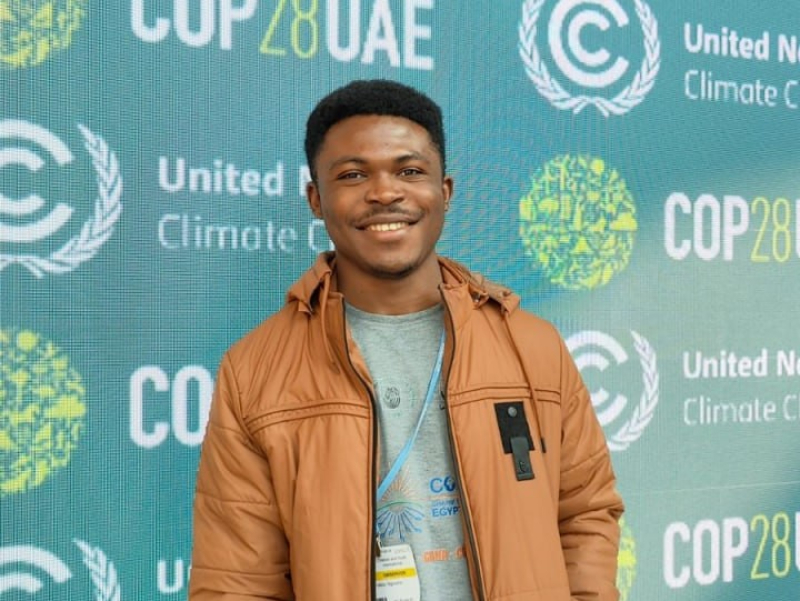
Hilux at the COP28 in Dubai. Photo courtesy of the subject
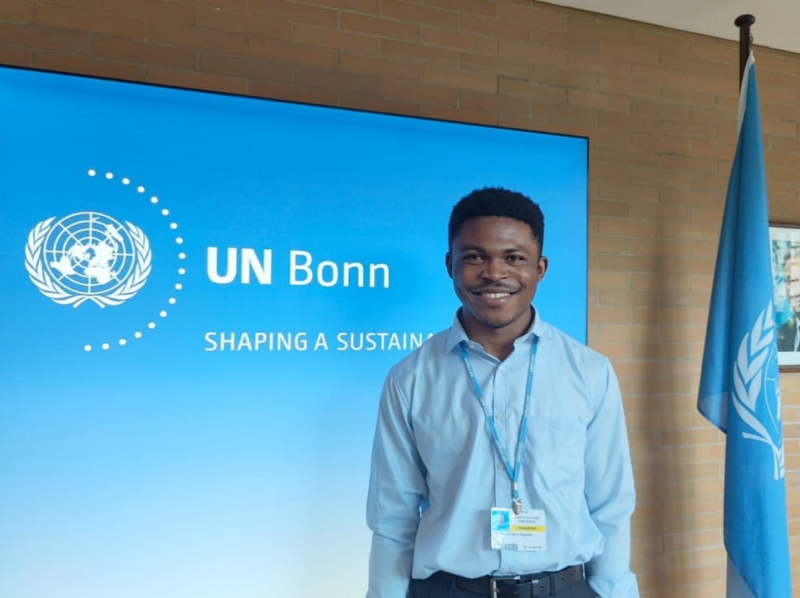
Hilux at the UN session in Bonn, Germany. Photo courtesy of the subject
What courses or topics have challenged you the most so far at ITMO?
Advanced cryptography and secure system architecture – both demand deep analytical thinking and a practical understanding of real-world implications. Balancing these courses while also managing research, projects, and international engagements has been challenging, but it’s exactly what makes the experience rewarding.
How does studying at ITMO differ from your previous academic experience?
I’ve just finished my first semester, but from what I’ve seen so far, there’s a strong emphasis on practical application alongside theory, and I’m excited to get deeper into labs and projects in the coming semesters. I’m also looking forward to collaborating with international classmates, as I expect that working with people from diverse backgrounds will give me new perspectives on problem-solving and system design. So far, even the first semester has already shown me that this program will challenge me to think critically and apply what I learn in real-world contexts.
What does a typical day look like for you?
Most of my classes are in the evening, which gives me the mornings and afternoons to focus on research, coding, and projects. I also dedicate time to preparing for meetings and international events, including the UN sessions, where I share youth perspectives on technology, climate change, and digital safety (OGBV). On top of that, I volunteer with several organizations and currently serve as a youth review panelist for the European Union Youth Empowerment Fund. Some days involve traveling to conferences or meetings, where I discuss these topics on global platforms and advocate against gender-based violence.
Have you faced any challenges studying abroad?
I completed my Bachelor’s in computer applications in India, where I spent three years. Traveling to different countries along the way has shaped me to adapt easily to new environments and cultures. Coming to Russia, the main challenge was learning the language; it was definitely tough at first. The academic system, on the other hand, was understandable and manageable. I adapted by building routines, connecting with classmates and others who helped me embrace the culture, and immersing myself in the city. Some of my friends are often surprised by how easily I can feel comfortable anywhere, even in Russia, where people are usually considered reserved.
What has been your experience living in St. Petersburg so far?
St. Petersburg is incredible. The mix of history, culture, and innovation makes it an inspiring city to study in. I love exploring its canals and architecture, but I also appreciate the intellectual energy, from universities to tech hubs, which keeps me motivated.
Have you noticed any cultural similarities or interesting differences between life in Cameroon and life in Russia?
Life in Russia is more structured and routine-driven than in Cameroon, from daily schedules to academic processes. People can seem more reserved at first, which is different from the warmth and openness I’m used to back home. That said, once you start engaging, it’s possible to build strong connections, and I’ve found ways to adapt and feel comfortable here. Despite the differences, both cultures value collaboration and learning from others, which makes adjusting easier.
What role do international classmates and group projects play in your learning experience?
They are essential. Cybersecurity is a global field, so collaborating with peers from diverse backgrounds exposes me to new problem-solving approaches. Group projects simulate real-world scenarios where teamwork, communication, and cultural awareness are as critical as technical skill.
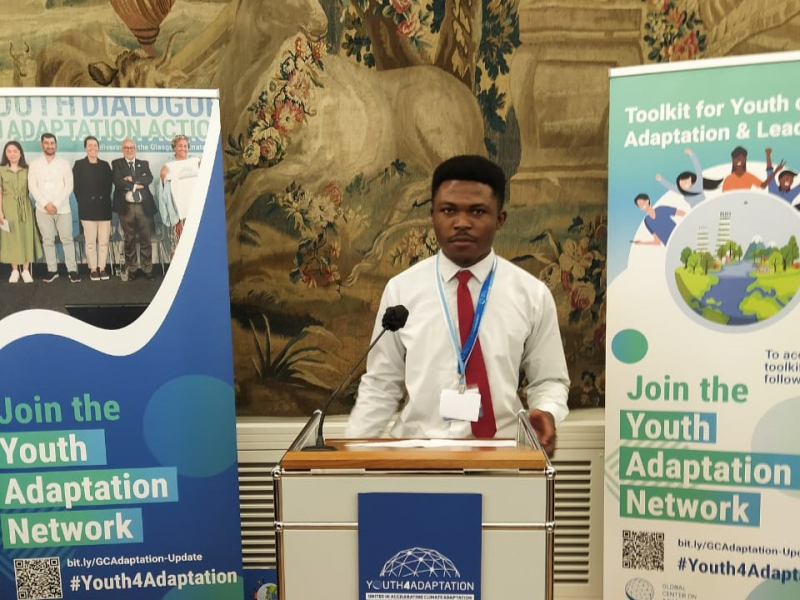
Hilux enjoys attending conferences. Here he is at a Youth Adaptation Network event. Photo courtesy of the subject
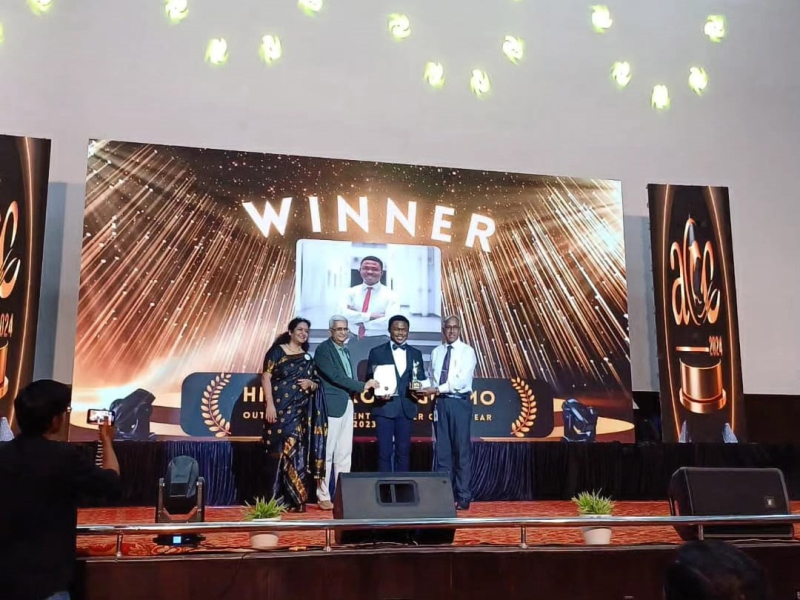
Hilux received the “Achiever” award from GITAM University for excellence in academics, community involvement, and representation of the university at national and international platforms. Photo courtesy of the subject
Outside of lectures and labs, how do you like to unwind or recharge?
I recharge by reading, exploring the city, and working on projects. Traveling and attending conferences also energize me; discussing ideas with young leaders and global experts reminds me why this work matters and helps me stay focused.
If you could give one piece of advice to students from Cameroon who are considering studying cybersecurity abroad, what would it be?
Immerse yourself fully. Cybersecurity is not just technical; it’s ethical, societal, and global. Learn the language, embrace new perspectives, and connect your skills to real-world problems. That combination of technical mastery and applied impact is what will set you apart.
Finally, if you had to describe your ITMO experience so far in just one sentence, what would it be?
A journey that is already expanding my skills, perspectives, and opportunities to use technology to make a meaningful, real-world impact.