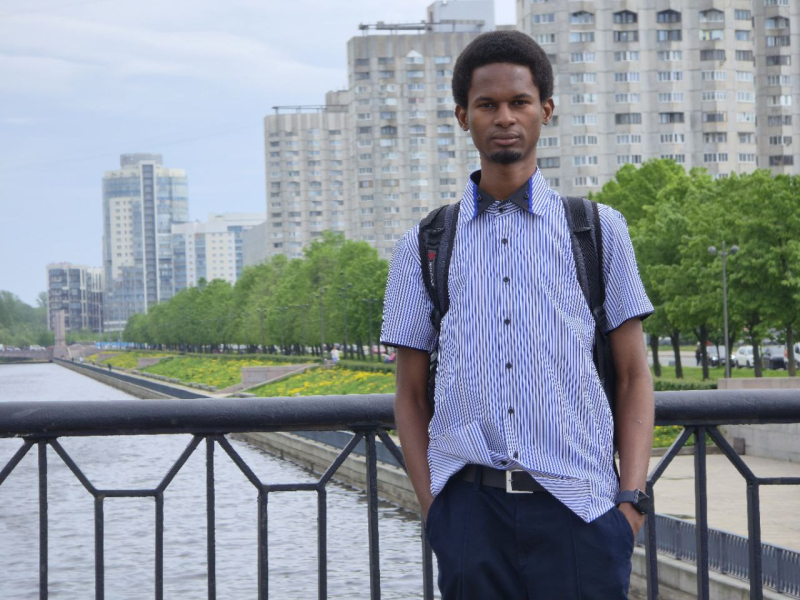
Hi Akib! Let’s start from the beginning. What sparked your interest in digital urban studies?
Growing up in Nigeria, I saw firsthand how challenges like traffic, poor housing, and haphazard planning affected people’s lives every day. Over time, I became fascinated by how cities function and how they could function better. That’s what drew me to digital urban studies: the chance to apply data, technology, and smart design to solve real urban problems in a sustainable way.
When you arrived here, what was your first impression of St. Petersburg?
It amazed me from the very beginning. The first thing that stood out was how quiet people are in public spaces, especially in public transport. In Nigeria, it’s common to chat with strangers, even during a short ride. But here, people tend to mind their own business.
What truly inspired me, though, was the architecture and cultural richness of the city. Living in the historical center has given me a front-row seat to landmarks, museums, and streets that tell centuries of stories. And of course, the climate was a major shift, along with the white nights. Seeing daylight at midnight was surreal and unforgettable!
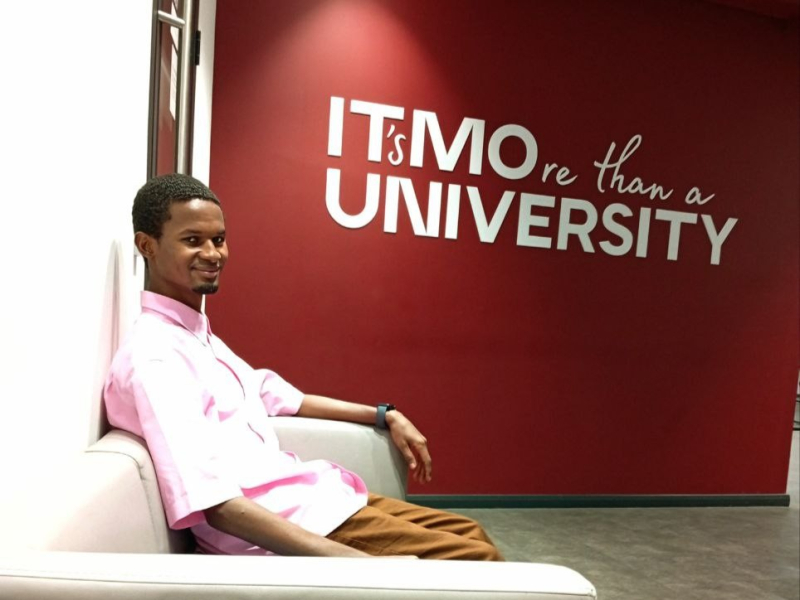
Akib at ITMO. Photo courtesy of the subject
Have you worked on any projects or research that changed how you view cities?
Yes, one standout project involved reimagining a former prison as a multifunctional urban space for business, education, and recreation. It taught me how urban redevelopment can bring new life to neglected places. I’m also working on simulating a building’s energy demand using real urban data. It’s shown me how digital modeling can help shape cities that are not only smarter but also more sustainable and human-centered.
Have you noticed any cultural or urban similarities or contrasts between Russia and Nigeria?
Definitely. Russian cities tend to be more walkable, with better-developed public transport systems. In contrast, Nigerian cities often rely more on informal transport and private vehicles. Housing is another big contrast. Here, there’s a lot of uniformity in residential buildings, Soviet-era apartment blocks and planned layouts, while back home, housing is much more varied, with everything from informal settlements to private gated estates.
What’s your favorite neighborhood or spot in St. Petersburg, and why?
Krestovsky Island is my favorite so far. I’ve visited it recently and loved how calm and green it is. There’s less traffic, lots of open space, and it’s perfect for walking, skating, or just spending time outside.
Outside of class, how do you unwind or explore the city?
I stay active socially. I go to university events, hang out with friends, explore local markets, malls, and restaurants. I also enjoy visiting parks and museums. There’s always something new to discover, and it helps me connect more deeply with the city and the culture.
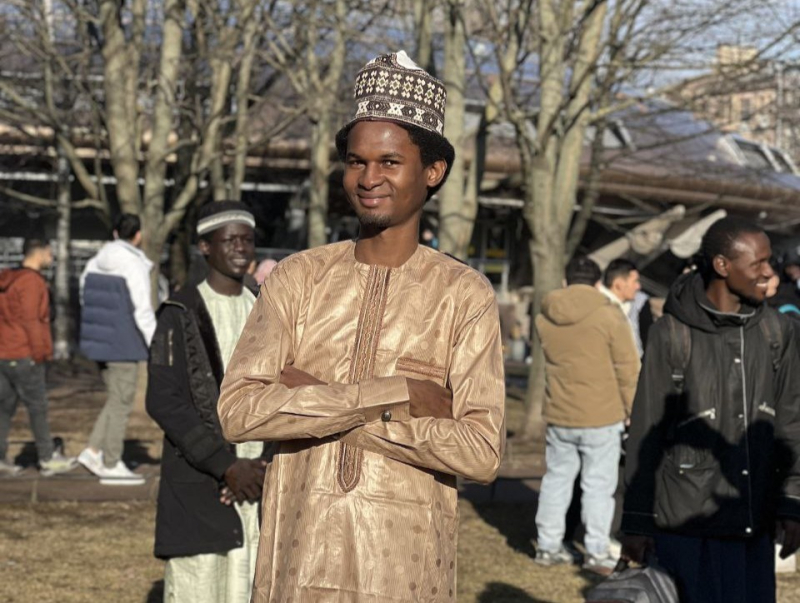
Akib in traditional Nigerian attire. Photo courtesy of the subject
Akib Nassir. Photo courtesy of the subject
What kind of future do you envision for yourself?
I want to help build smarter, more resilient cities in Africa, especially in Nigeria. Whether through data analysis, sustainable planning, or smart infrastructure, I want to play a role in improving the quality of life for people living in urban areas. Cities are growing fast, and we need to grow wisely.
What advice would you give to other students from Nigeria, or anywhere, who are thinking about studying at ITMO?
Stay curious and keep an open mind. Studying abroad can feel overwhelming at times, but it's a huge opportunity for both personal and professional growth. You’ll meet people from all over the world and learn to see things from completely new perspectives. Do your research, choose a program that aligns with your goals, and make the most of every opportunity that comes your way.