Hi Iqra! Let’s start with your story. What brought you from Pakistan to ITMO, and why food biotechnology?
Coming from a country where food culture is deeply rooted in tradition, I’ve always been fascinated by the science behind food. The field I study directly impacts public health, food security, and sustainability. The idea of using scientific knowledge to improve the quality, safety, and nutritional value of food excites me. It’s a field where small innovations can make a big difference in people’s lives.
As for my choice of university, I wanted to be part of a system where science meets innovation. I discovered ITMO through my own research and it seemed like a place that encourages creativity, sustainability, and global collaboration.
So far, what has surprised you the most about studying in Russia?
I was pleasantly surprised by how open and supportive the academic environment is. The warmth of the people and their curiosity about other cultures really stood out. Despite the language barrier, I’ve felt welcomed and respected in every interaction.
What’s been your favorite course or project at ITMO, and what made it special?
My favorite project was about developing a plant-based yogurt enriched with bioactive compounds. It allowed me to combine scientific knowledge with creativity and reinforced my passion for creating functional foods that are both nutritious and sustainable.
Do you see any contrasts or connections between food culture in Pakistan and here in Russia?
Yes, there’s a strong contrast in approach. In Pakistan, food traditions are largely based on cultural heritage, whereas here I see a more data-driven, health-oriented perspective. I’m inspired to bridge traditional knowledge with modern science to improve food systems back home.
What are some food-related challenges you hope to tackle through your work?
I hope to work on reducing post-harvest food loss and improving the nutritional quality of processed foods. In many developing countries, food safety and malnutrition are still critical issues. Through food biotech research, I want to develop affordable, fortified food solutions tailored to local needs.
How do you see food biotechnology making a difference in places like Pakistan?
Food biotechnology has the power to transform both health and agriculture in developing countries. From biofortified crops to safer preservation methods, it can help fight malnutrition, reduce waste, and boost food safety. It would make a real difference at the community level.
Russian cuisine is quite different from Pakistani food! Have you tried anything that surprised you?
I was surprised by the simplicity and mild flavors of Russian dishes like borscht and syrniki. On the flip side, I’ve shared biryani and chicken karahi with my classmates. Watching their reactions to the spices was priceless! It’s been a fun way to share a piece of my culture.
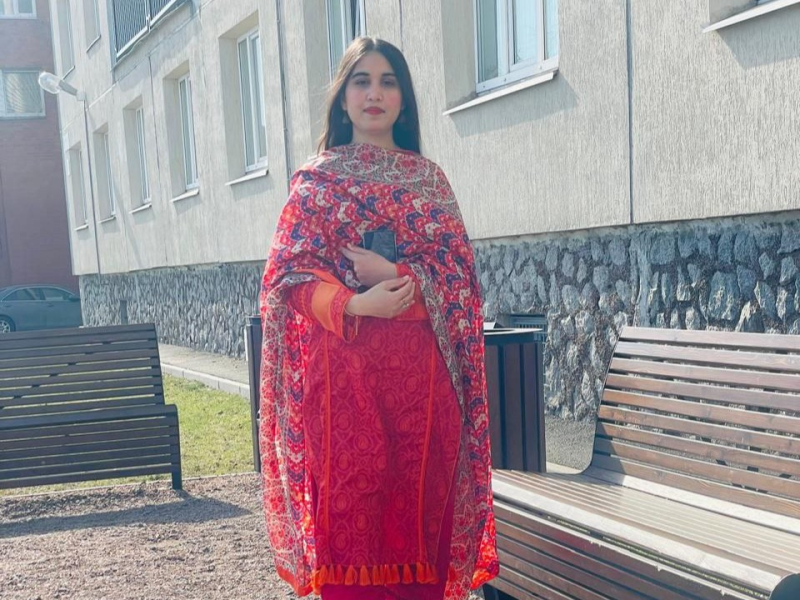
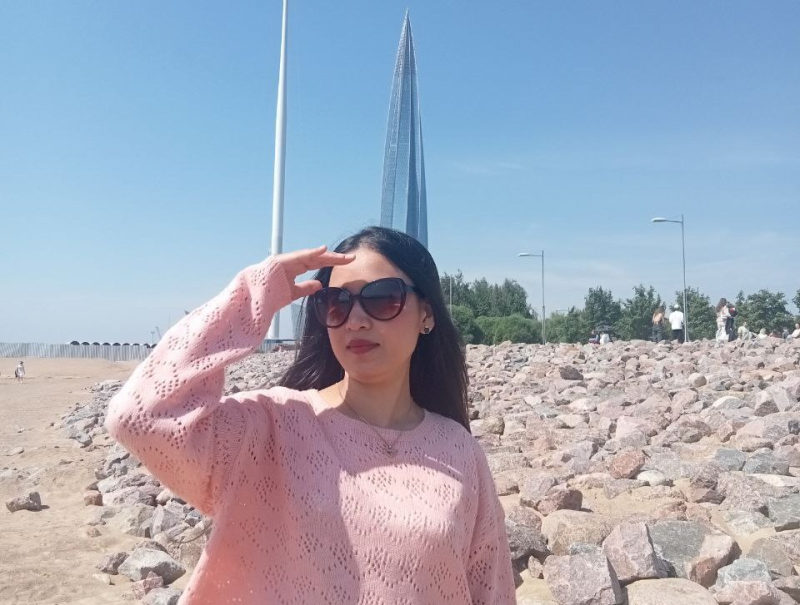
Iqra Shafiq. Photo courtesy of the subject
How have your interactions with international and Russian students been so far?
I’ve had really positive interactions with both Russian and international students. We’ve built strong connections through teamwork and cultural exchange. These friendships have made my journey at ITMO not only smoother, but also far more enriching.
What’s your favorite place in St. Petersburg to unwind or feel inspired?
New Holland Island is my go-to spot. It’s peaceful and creative, with plenty of open space. I love sitting by the water or taking slow walks. It helps me reflect, re-energize, and reconnect with my goals.
What are your plans after graduation?
After graduation, I plan to work in the food innovation industry while continuing research on sustainable and functional foods. Eventually, I’d like to launch my own startup focused on affordable, health-oriented food solutions for underserved communities in countries like Pakistan.
What has this international experience taught you about yourself?
It’s shown me that I’m more resilient and adaptable than I ever imagined! I’ve learned how to apply scientific knowledge to real-world problems, gained confidence, and grown into someone who’s more independent and open-minded.
What advice would you give other Pakistani students who are about to pursue a STEM degree abroad?
Believe in yourself and take that first step. Studying abroad may seem intimidating, but it opens doors you never imagined. Don’t let fear stop you, especially as a woman. Your ideas and voice matter. Work hard, stay curious, and trust that you’re capable of far more than you think.